Photography Identity Unit Inspirations Andrew Luo

What is a Portrait? Portrait Photography Introduction

What makes a particular photograph a portrait?

A photograph is a portrait when the main subject of the photograph is a person or an object resembling a person.

•Are Selfies Portraits?

Selfie Portraits are photographs that have their main subject being or closely relating to a person taken by the person themself.

•What should or shouldn’t be included within a portrait?

A portrait should include a person or objects closely resembling a person, preferably in the center of the photograph. Too much detail in the background or anything that surpasses the importance of the main subject in the frame should not be included.

•What makes a “good portrait?”

A “good portrait” is taken carefully and matches the photographer’s intentions. There should be no specific limitations on portraits, but the main subject should be clear and the photograph should accurately convey the photographer’s message.

•Can a portrait consist of a small detail only, such as a close-up of a hand?

A portrait can consist of small details only, but there should be a clear subject and it should resemble a person. For example, the close-up of a hand could be great if the hand represents the person.

•When does a more abstract representation cease to become a portrait – for example a blurred figure, or a photograph of a person that has been torn, ripped or faded?

An abstract photograph can fit the definition of a portrait when its target is a person. For example, a blurred photo of a person’s shadow could be a portrait.

•Is it possible to represent a person photographically without them being present in the image – for example, through a Still-life, an arrangement of inanimate of objects? And if so, can this continue to be called a portrait?

There are portraits that resemble people such as the ones that use collages to create a face or a figure that is similar to themselves. In conclusion, those photos could be called portraits, as their primary subject is still the human that the objects are representing.

•Does a portrait have to be a single photograph? How about a sequence of images?

Portraits do not have to be single photographs as they can be simply multiple photos of body parts put together to form a complete picture of a person.


Identity Unit Mind Map

https://padlet.com/andrew_luo1/identity-photography-mind-map-ug1uhtzhyewphrn2


Focus

The issue I want to address is the students’ overall lack of passion for core subjects such as math. ISB is a diverse community filled with people passionate about sports, arts, and literature, but not math. The school is comparably lacking math enthusiasts. I feel like the subjects and concepts here are heavily focused on language skills and literature as writing skills are significantly more useful than math skills in ISB. I want to show the importance and fun of mathematics through photography. I also want to express my identity as a math enthusiast through the photography set.


Image Inspirations

Photographer Inspiration

The photographer that inspired me is Vladimir Antaki. He took many photographs involving him being in a very messy room filled with items. I like the types of photos he took as they can let me understand his identity just through a few glances. The photos also have many lines and shapes pointing in the direction of the person in the center, bringing our attention to him. I want to imitate his style with his use of lines and space in my photographs. His series, “The Guardians”, is especially inspiring as many of the photographs are unbalanced, yet they seem balanced, as objects from different angles cancel out.


Possible Visions:

Larger board, take the picture from farther away.


Smaller board, have a blurred effect on the chairs.


Take many photos from the same angle but with slightly different posts, then photoshop and make it so that it looks like an infinite loop of the picture.


Take many photos from the same angle, choose 8 of the best and put them aside, then take more photos without the “audience”, choose the best, and put it at the center to form a presentation of 9 photos. There should not be any lines or gaps between the photos.

Statement of Intent

The title of this project is “An Average Math Class in ISB”. The social issue I want to address is the overall lack of importance of mathematics in ISB. I want my audience to feel entertained but also have deep thoughts about if the lack of math is really good for them. I will get inspiration and develop my ideas by finding pictures that express a similar message.
 

Formal Elements of Photography

Formal Elements of Photography: The phrase “formal elements” mean the most basic and important features that something has, and in photography, they are line, shape, repetition, texture, tone, and focus. Those 6 elements are the basic building blocks of photography that should be considered for every photo.

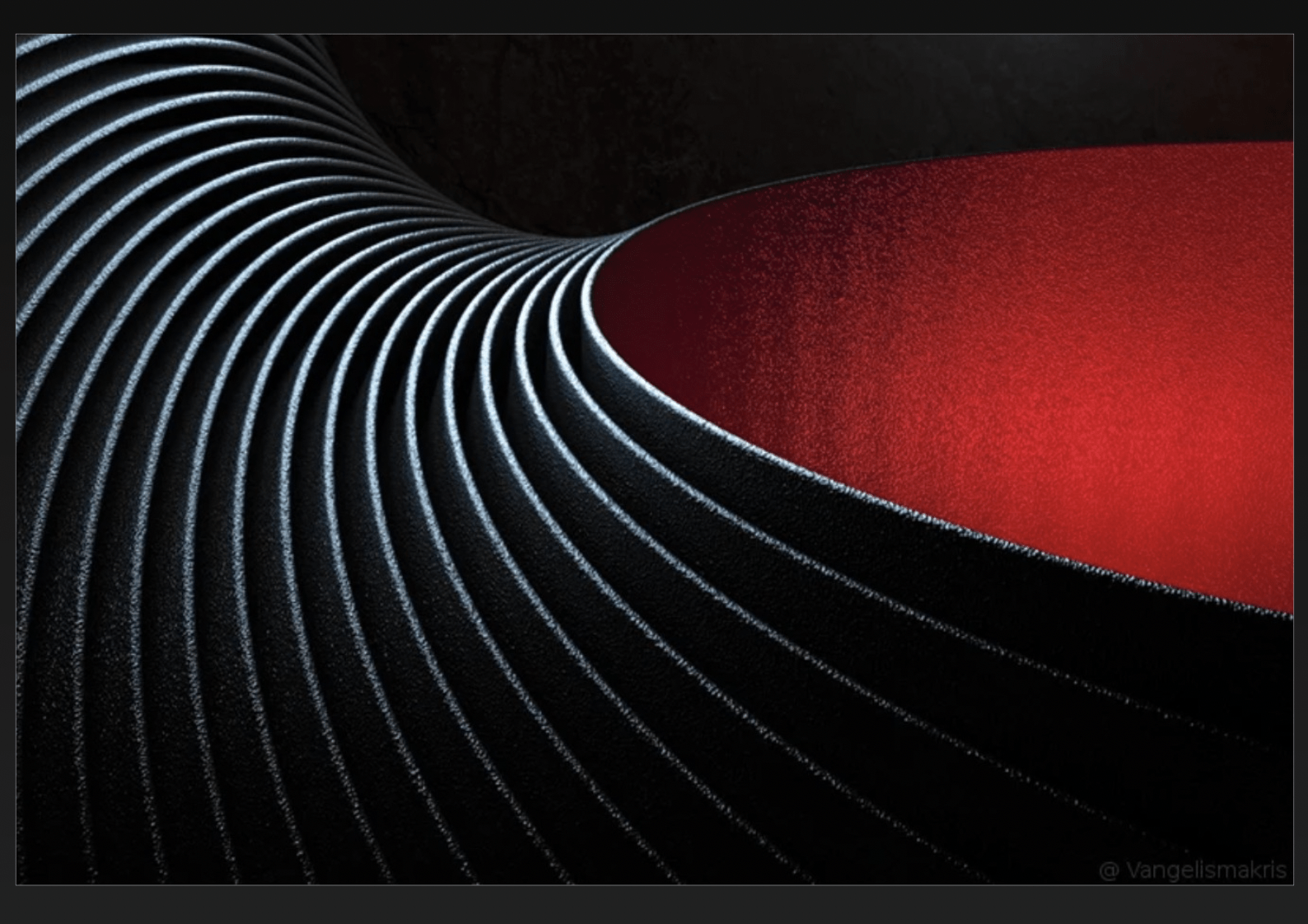
Line: In photography, there are certain objects that act as a line. They have directions, lengths, and thicknesses, and are either geometric or organic. They often lead directions and show outlines in a photograph

.

This photo contains many curved lines, and they seem to create a direction from far away to near the camera around the red area. However, only the line on the rightmost of the photo seems to outline the red area. The lines show movement and energy as it extends a long way and has a varied tone in them.


Shape: In photography, shapes can be either geometric or organic. The shape in photography could be varied in size, shade, and amount, and they often have close relationships with other lines and shapes.

This photo contains both geometric and organic shapes, creating a chaotic yet artistic photograph. The geometric shapes include triangles, rectangles, rhombuses, and trapezoids. The organic shapes contain circles, curves, and other soft turns. They relate to each other by being stacked together or next to each other.


Repetition/Pattern: Patterns in photography are illustrated as the same shape or line happening in a specific order repeatedly. Patterns create rhythms, which brings predictability to a photograph and exaggerates the odd ones out.

The monks create a pattern that repeats in the photograph except for 1 monk that is turning his head. I see echoes as the legion of monks does not end within the frames of the photograph.


Texture: Texture is the impression of how it will feel to the touch of the objects in the photograph. The texture could be presented with shadows, notable bumps, or a coarse surface.

If I could touch the surface, it would likely feel crumbly. The objects in the photograph seems to have textures as it has shadows and is clearly 3-dimensional.


Value/Tone: The tone is how colored or lighted a photograph is. For example, a dark photograph will have a different tone than a bright photograph. In photography, the tone can vary depending on specific photographs, and the tone will also vary on the same photograph to direct the viewer’s attention.

There is a range from dark to light. The darkest point is at the bottom of the photograph and the lightest is at the center of it.


Focus: The Focus is a point in a photograph that is clearer than the rest of the photograph, which directs the viewer’s attention.

The photograph is very blurry and out of focus. The flower at the front is relatively the clearest and te orange background is the most blurred.


An image could indeed show more than one formal element at a time. For example, in the photograph below, the formal elements of lines, shapes, tone, and pattern blended well together and created a great photograph. When lines intersect on the same plane, shapes form, and the brightness of every photograph results in differences in tone. The focus and patterns could add on to a good photograph by creating movement and attracting attention from viewers.

Abstract Photography

Definition: Abstract photography is a form of art that does not have a clear object as a focus and is often hard to understand. It is a piece of art made by experimenting with things that no one else had done before and relate to.


The pictorialism movement is a revolutionary stream of thoughts that made photography contain art in addition to the pure science purposes before.

The straight photography movement changes people’s views by producing photographs that are not altered or taken in a planned room. It uses everyday life and common events as a form of art. Straight photography became popular due to the photographer Alfred Stieglitz’s amazing artworks such as The Steerage (1907).

Aaron Siskind was inspired by the straight photography movement as he was one of the first photographers that connected abstract photography to ordinary objects in real life and created art pieces such as Metal Hook (1942).

Andreas Gursky’s artwork is abstract as it doesn’t have a clear object to focus on. His work includes abstract photographs such as “99 cent”, a photo that captures a supermarket from a grand scale, showing all the merchandise as small items. Uta Barth’s artwork directs the viewer’s focus from the object to the environment, which by definition, is abstract. Her artworks, such as the various photos about the “ground”, are blurred. I think both of the artists are straight photographers as they took everyday objects and places and made abstract art work from them. They both redirected the viewer’s attention from the object to the environment.


Sources:

https://www.theartstory.org/movement/pictorialism/

https://scalar.chapman.edu/scalar/ah-331-history-of-photography-spring-2021-compendium/dylan-lavigne-assignment-3

https://www.artnet.com/artists/uta-barth/

https://www.nytimes.com/2018/01/29/arts/andreas-gursky-is-taking-photos-of-things-that-do-not-exist.html

https://www.moma.org/artists/7827#works

https://www.theartstory.org/artist/siskind-aaron/

https://www.artnet.com/artists/andreas-gursky/