ABSTACTION: Blog #3

What was the Pictorialism movement in photography?

  • The pictorialism movement is the movement in which the aspects of photography are manipulated to make the photograph more aesthetic which resembles paintings and drawings. It places aesthetics beauty and expressiveness above an accurate capture of the scene.
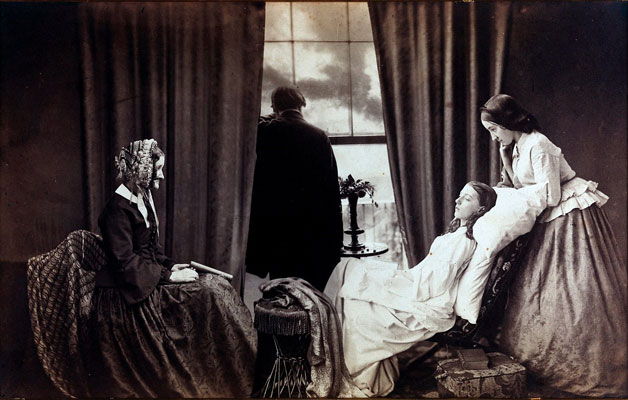
Henry Peach Robinson: Fading Away (1858)

In this picture

What was the straight photography movement in photography? Why was it popular amongst photographers?

  • Straight photography movement is the movement in which photographs are meant to depict the scene with sharp focus and detail. It highlights the visual language of the camera itself, such as shape, tonality, contrast, and focus.
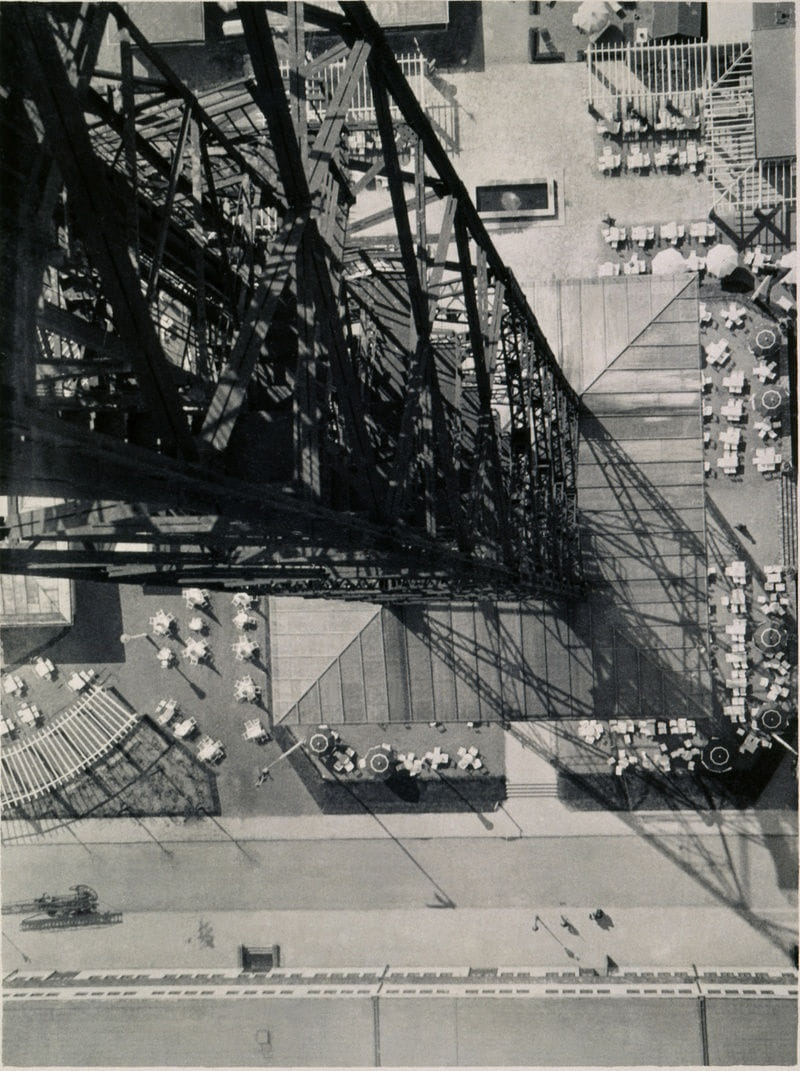
László Moholy-Nagy: Funkturm Berlin (Berlin Radio Tower) (1928-29)

How have Edward Weston and Aaron Siskind (above) been influenced by the Straight Photography Movement?

Edward Weston: Looking at his work, it is apparent that his early work definitely deviated more toward Pictorialism, you can see that his photographs are more similar to paintings and are not focused on bringing an accurate depiction of reality. Edward Weston Photographs - Early Years — Weston Photography: Four  Generations of Photographic Excellence

His later works are more influenced by Straight Photography, which is centered around capturing the scene the way it is real and raw.

Edward Weston Photography Analysis — Weston Photography: Four Generations  of Photographic Excellence

Aaron Siskind: He is influenced mostly by Straight Photography, through his photographs, he captures subjects with great detail and focus.

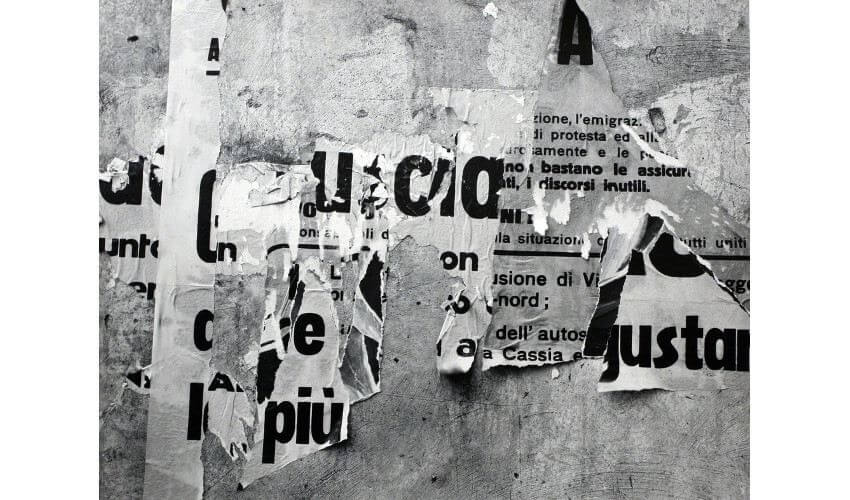
Aaron Siskind as City Documentarian - The New York TimesHow Aaron Siskind Found Abstraction on the Streets | Ideelart


What makes the work of contemporary photographers Andreas Gursky and Uta Barth abstract? Can they be classified as pictorialist or straight photographers? Explain your response.

  • Andreas Gursky and Uta Barth‘s work are all abstract because through their work, they extract meaning from their subjects that they want to communicate to the audience.
  • Andreas Gursky can be classified more as a Straight Photographer because his style is more of capturing shapes and details and contrast of his scenes, like this picture here:

Andreas Gursky retrospective opens at Hayward Gallery | CNN

Uta Barth can be classified more as a Pictorialist Photographer because her work is more centered on highlighting aesthetics of her photos by manipulating the picture itself or the camera. She uses blurriness in her work a lot, an example:
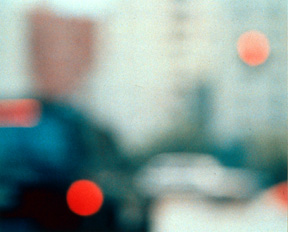
Uta Barth: Recent Photographs - The Polygon Gallery

ABSTRACTION:Blog #2

My own definition of abstract photography:

  • Abstract Photography is representational. It uses subjects that can be by themselves, in patterns, or be used in any possible way in a photo that can be interpreted to mean something. That process of interpretation is the “extraction” of meaning through the subjects that is a vessel that holds meaning by itself, as a group, distorted, blurry, zoomed in, zoomed out, over or under-exposed, etc.

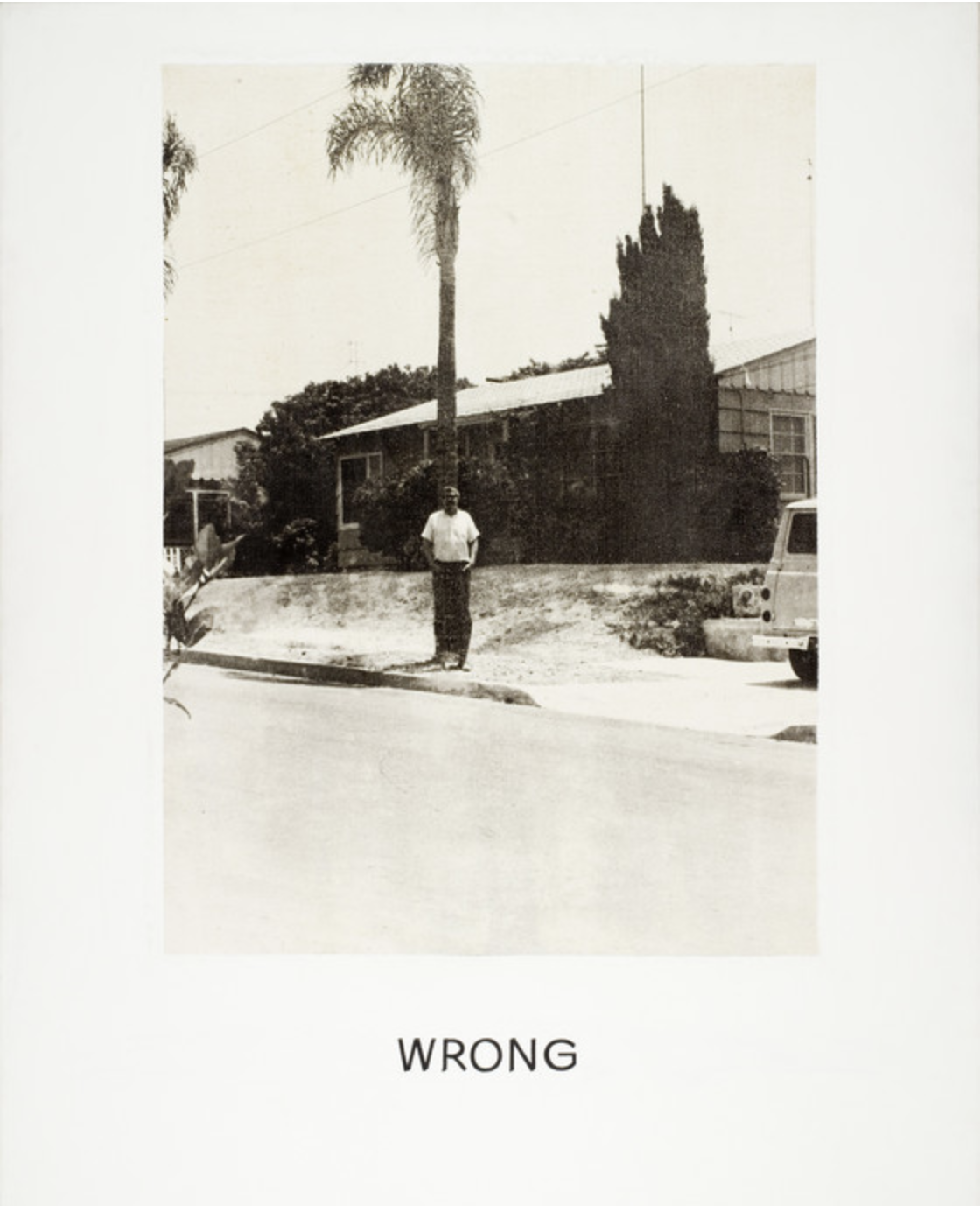
WRONG! Photography Context

Can you take a wrong picture?

  • I believe that you can’t take a “wrong” picture because there is no choice made by the photographer that can be considered as wrong, in terms of photography, right or wrong is subjective, even though if a choice leads to the breaking of a “photography rule”, it does not mean that picture is wrong, I would argue that the so-called “rules” of photography should be considered more as “suggestions”. On the other hand, breaking photography rules is beneficial because it open doors to new unique visuals that might look even better.

How is context important in Photography? Reference the picture above in your answer. Does the word “Wrong” make a difference? Why?

  • Context does matter in photography because context gives validity to rule-breaking choices. You need context so your audience would know that you broke traditional guidelines for the purpose of having a better end result of a photo. Like how John Baldessari provided his audience with context through the word “WRONG”. The word justifies John Baldessari’s choices in this picture. The word tells the audience that the photo was taken purposefully “bad” for the purpose of his artistic expression. John Baldessari wants to express his mockery of how people are conforming to the rules of photography and considering photos that break rules as incorrect or bad.
Skip to toolbar