




Gordon Parks, American Gothic, 1942.
What makes this photograph interesting is how Gordon Parks uses:
Direct, symbolic lighting that highlights the subject’s face and tools to emphasize struggle and resilience
A muted color palette that reinforces the seriousness of the subject
A controlled, grounded body posture, with the subject centered
A sharply defined subject with softened shadows in the background to keep all focus on emotion and message
Strong visual symbolism (the broom, the mop, the flag) layered to represent identity, labor, and the tension between ideals and reality
This portrait conveys themes of inequality and perseverance, as the woman stands alone in front of the American flag holding cleaning tools, suggesting both her isolation within society and her strength. The contrast between her quiet expression and the powerful backdrop communicates the message that ordinary people often carry the weight of the nation’s unspoken struggles.
This portrait is an example of the type of emotionally symbolic portraiture that inspires my own work. I want to use strong, intentional lighting and purposeful composition to communicate meaning through simple details. I aim to mimic Parks’ use of controlled posture and neutral expressions to guide attention not only to the subject but also to the objects around them. In contrast to this photo, my focus will be on objects held by the subject to show the personal value people attach to everyday items. However, Parks’ ability to combine symbolism, emotion, and visual clarity is what I appreciate most about his work, and what I want to bring into my final sets.
The title of my project is Human Presence. Through portraiture, I want to explore how a person’s expression, and subtle details about their body language can communicate emotion and individuality. Instead of focusing on dramatic settings, I’m interested in capturing people as they actually are the natural ways they hold themselves, the quiet emotions on their face, and the small, honest moments that tell a story. My goal is for the audience to feel connected to the person in the photo, noticing the small details that make each picture special. The title of my project is Human Presence. Through portraiture, I want to explore how a person’s expression, and subtle details about their body language can communicate emotion and individuality. Instead of focusing on dramatic settings, I’m interested in capturing people as they actually are the natural ways they hold themselves, the quiet emotions on their face, and the small, honest moments that tell a story. My goal is for the audience to feel connected to the person in the photo, noticing the small details that make each picture special. To develop my ideas, I’ll study portrait photographers who use light, shadow, and composition to bring out a person’s story. I want to experiment with how different lighting styles, angles, and framing can change the mood of a portrait, and how to create images that feel expressive.


The title of my project is The People of the Streets. I want to capture real unchanged moments of people living their everyday lives and explore how they interact, and express emotion in public spaces. In my photos, I want to tell small visual stories that highlight emotion, and the beauty of ordinary life. I want my audience to feel reflective, noticing the subtle details and emotions that make everyday moments different. I’ll develop my ideas by studying photographs that use light and shadow to create mood, reflections and framing to add depth, and candid techniques to capture people naturally. I’ve been inspired by photographers like Henri Cartier-Bresson, and my favorite photographer Brassai, whose photographs capture human emotion and turn casual real-life moments into something special, and rather timeless.
Photos that inspire me:
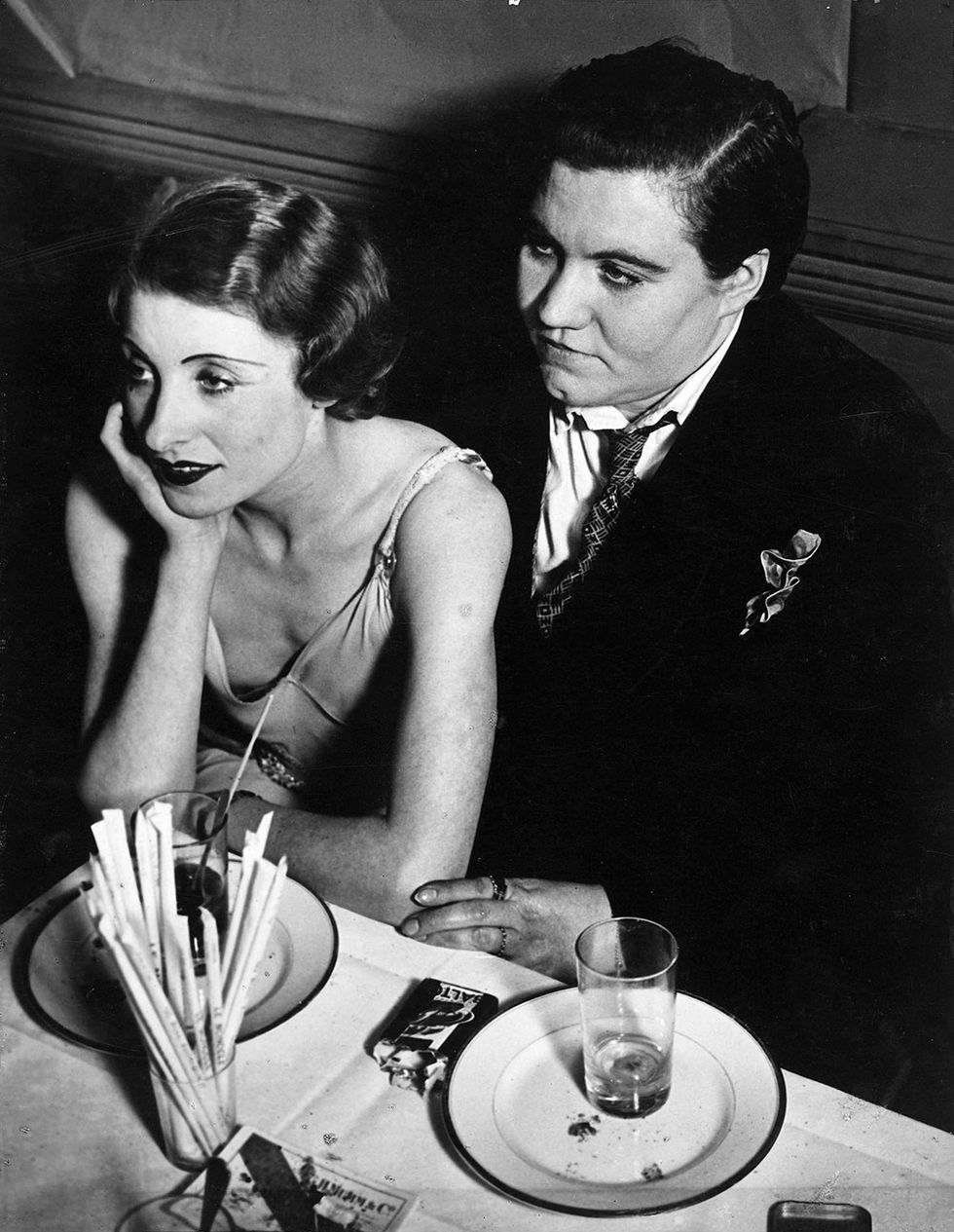
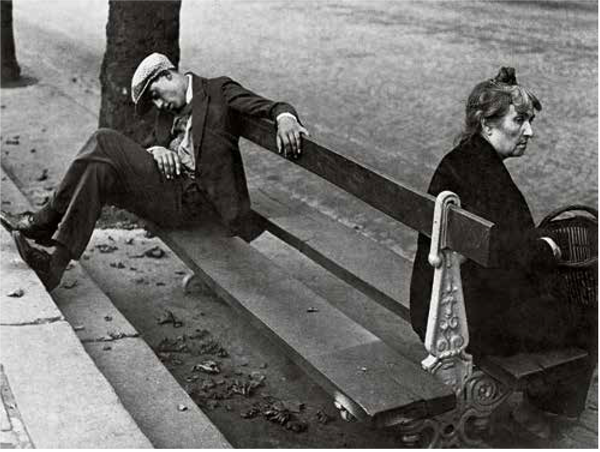
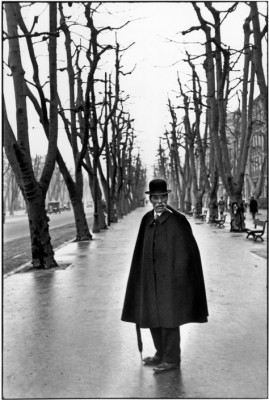
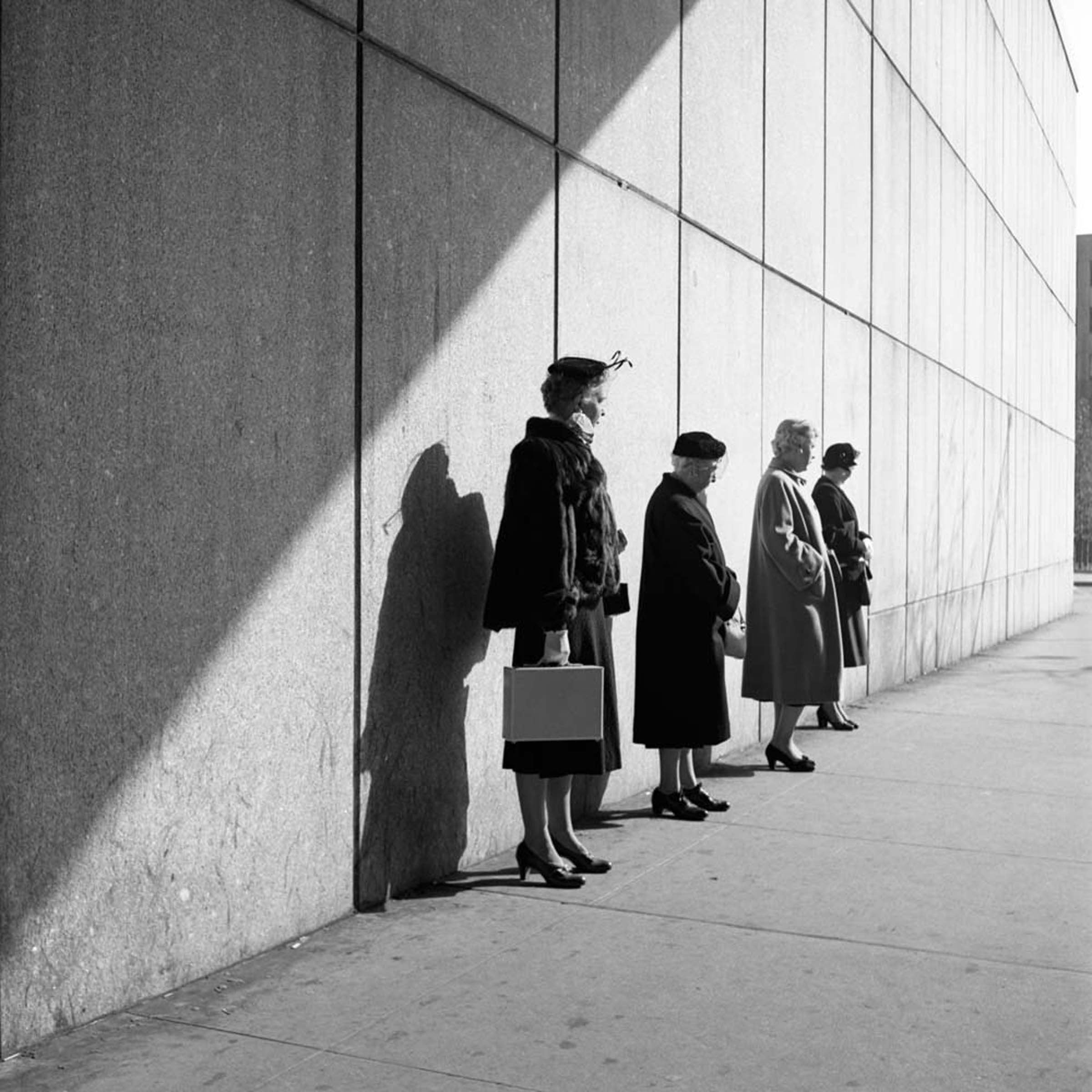
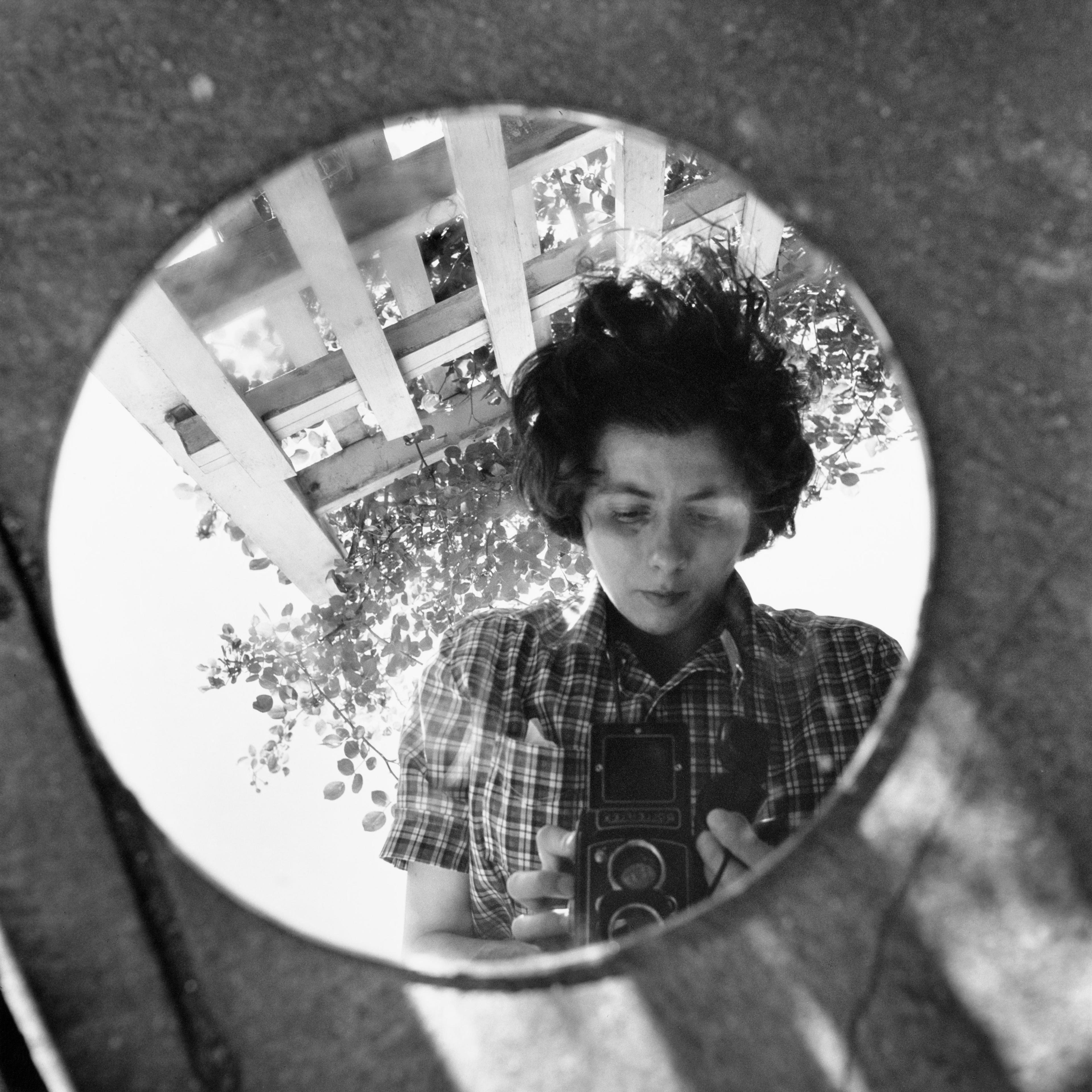
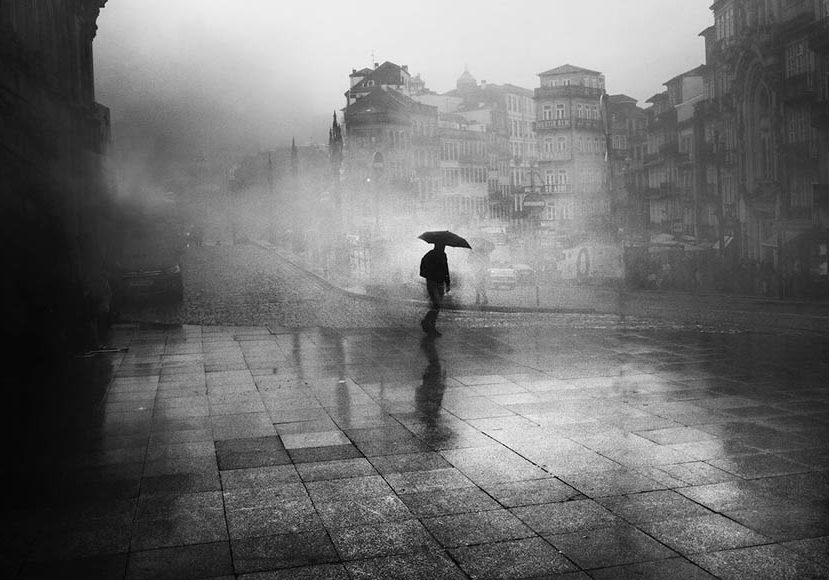
For my street photography project, I want to focus on people. I’m interested in how people move, interact with things, and live their everyday lives in public spaces. I want to capture real moments that show emotion, and character. My goal is to tell small stories through expressions, and body language. Whether it’s someone selling food, laughing with friends, or just sitting quietly, I want my photos to show the beauty of ordinary life. Some techniques I am going to use are:
Candid shots to capture natural moments.
Framing to draw attention to the person or their surroundings and emphasize the subject of the photo.
Reflections in windows or puddles to show different perspectives and make the photos more interesting.
Light and shadow to create the mood and contrast from the subject.
Low and high angles to change how the viewer sees people in the scene and emphasize the subject of the photo.
Mood Board:
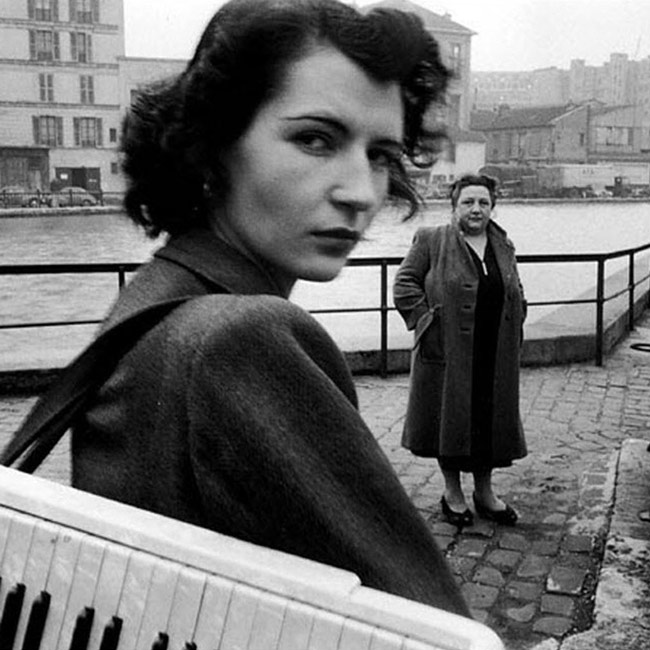

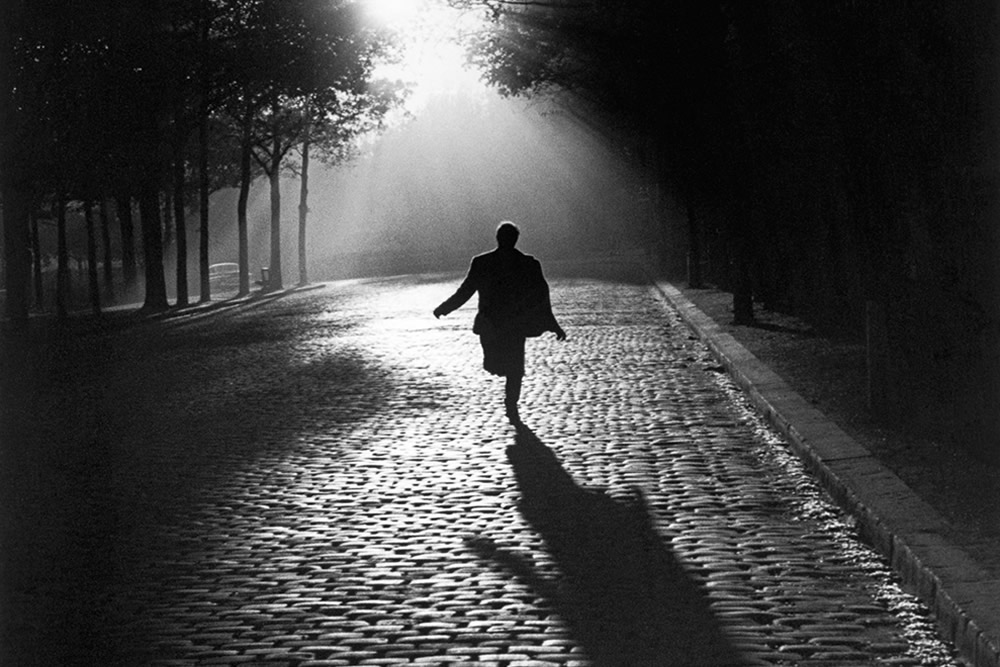

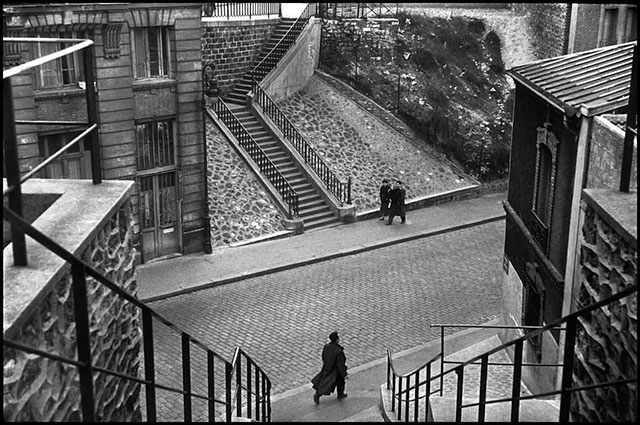

Brassai focused on capturing the beauty of Paris at night. He didn’t just take pictures of famous monuments or bright city lights, he looked at the ordinary and overlooked parts of the city. His photos show a lot of streets, cafes, fog, and people in a way that feels mysterious and even sinister. His photos teach me that photography isn’t just about being visually perfect, but it’s also about storytelling and mood. Brassai is good at making something ordinary feel extraordinary with the way he pays attention to the light, shadow, and composition of his photos.
Style of work:
Brassai is a street photographer, and focuses on street photography.
Context:
Brassai’s photography is somewhat like other 1930s photographers such as henri Cartier-Bresson, who also captured everyday Paris life, but his focus on the city at night made his work unique. Artists of that time wanted to show real, emotional scenes instead of just beauty, reacting to the changes and struggles after WWI. Paris’s culture was full of creativity with painters, writers, and musicians all influencing each other. Brassai was especially inspired by film and painting, which is clear in his use of light and shadow that make his black and white photos feel more expressive and less monotonous.
Opinion:
I personally already love Brassai’s photographs. I love the way they tell a story and capture a moment in time. I really like the way he uses light, and expression to show emotion, and his photographs of people give almost a sinister or malicious vibe, but still carry that natural beauty.
Street photography is all about capturing real-life moments out in public. Like people walking, cool buildings, random scenes, or just the everyday vibe of a city. It’s not staged, it’s more about catching something real and interesting as it happens. A lot of the time, it’s about showing emotion, mood, or just how people live their lives when they think no one’s watching.

