Michael

"I have no special talent. I am only passionately curious" - Albert Einstein

Page 2 of 3

Formal Elements of Photography

Formal Elements in Photography
Formal elements are the basic parts that make a photo interesting and meaningful. They help guide your eyes and tell a story.

1. Line
Lines lead your eyes around the photo. Example: A road stretching into the distance (Photo by Ansel Adams).

2. Shape
Shapes are flat, enclosed areas. Example: A photo of a round basketball on a court (Image by Nike).

3. Pattern
Patterns are repeated shapes or lines. Example: Rows of colorful umbrellas at a beach (Photo by National Geographic).

4. Texture
Texture shows how something might feel. Example: Close-up of tree bark showing roughness (Photo by John Smith).

5. Tone
Tone is the lightness or darkness in a photo. Example: Black and white portrait with shadows (Photo by Dorothea Lange).

6. Focus
Focus is what part of the photo is sharp or blurry. Example: A sharp flower with a blurry background (Photo by Jane Doe).

Value of culture

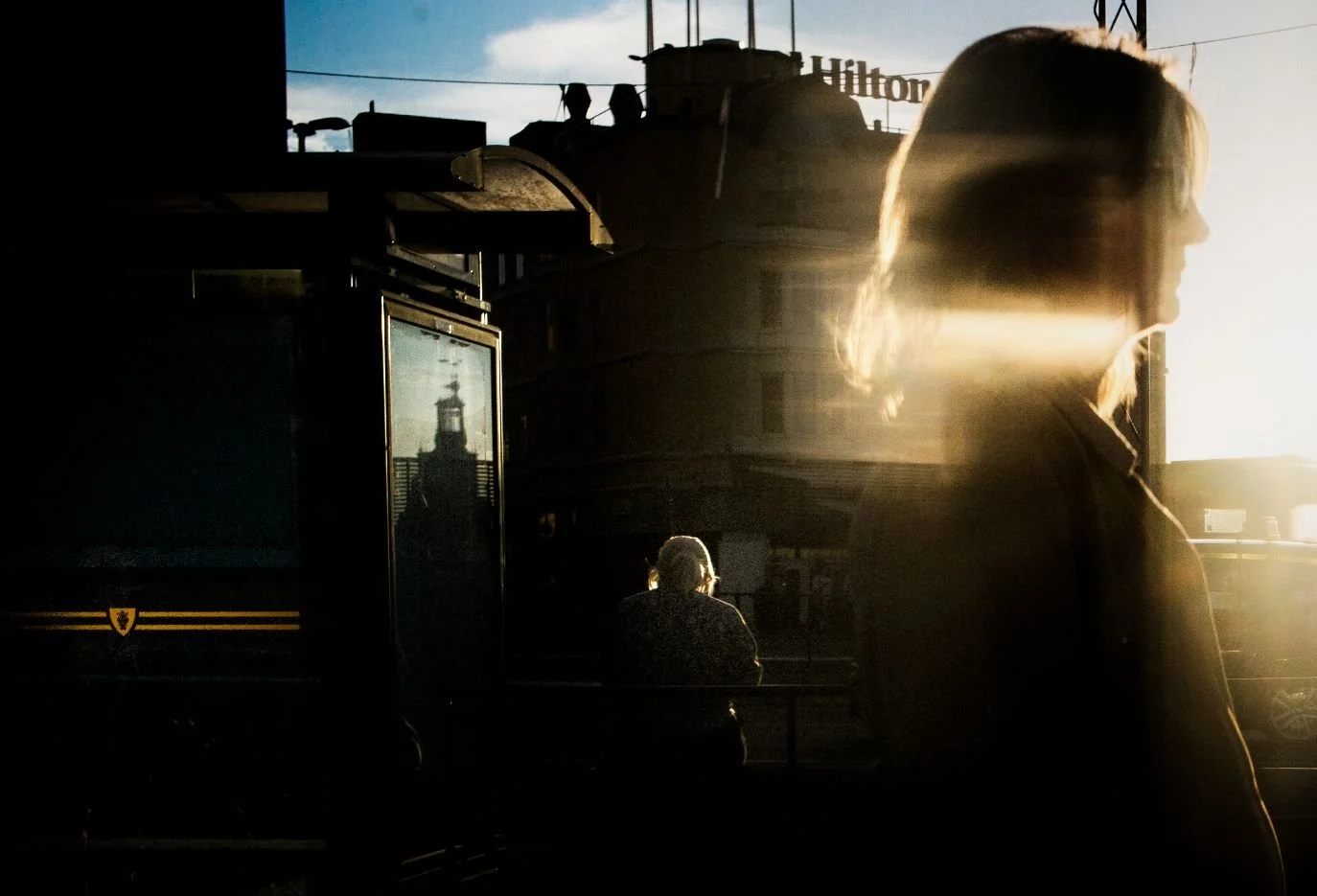
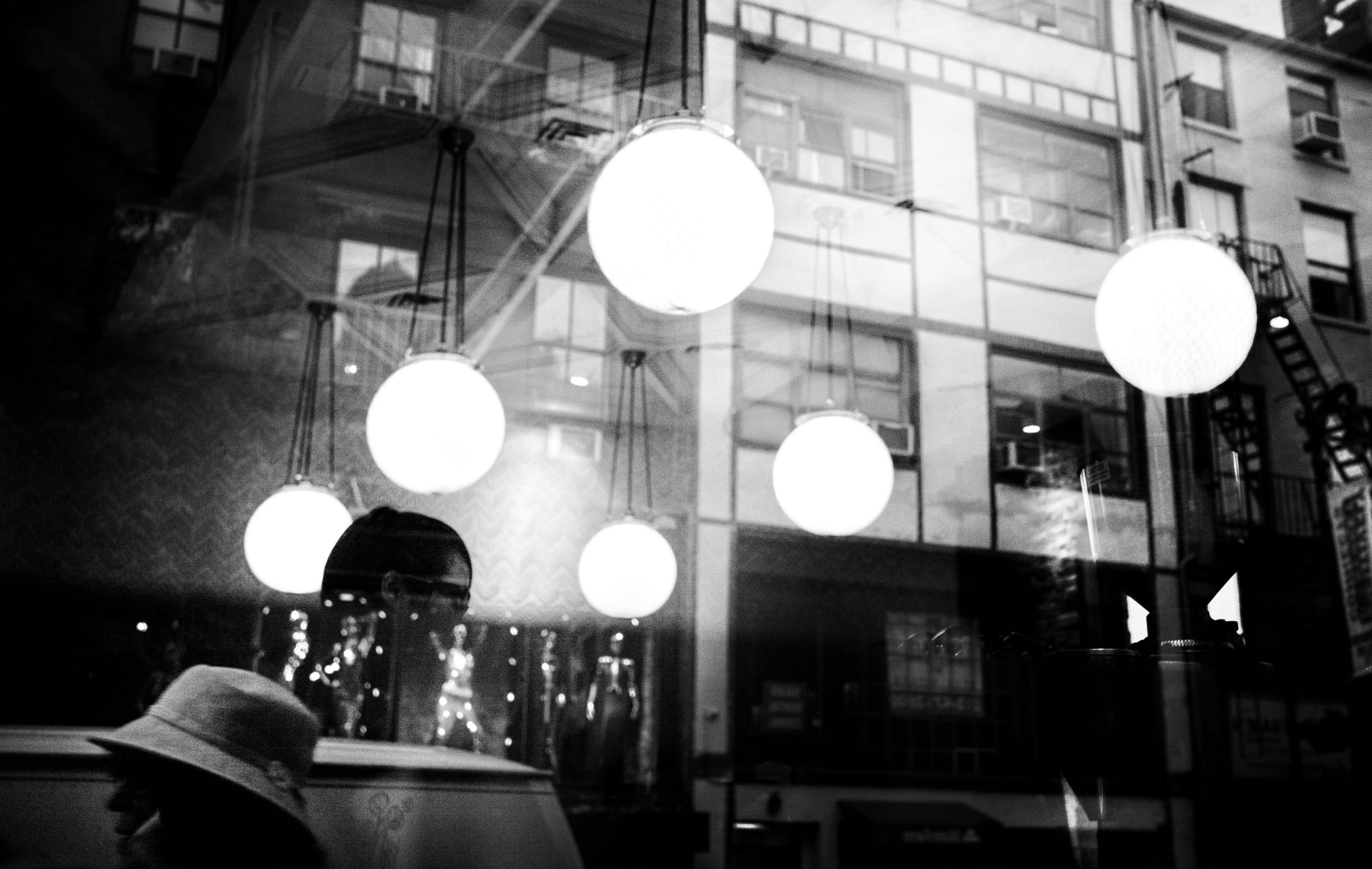
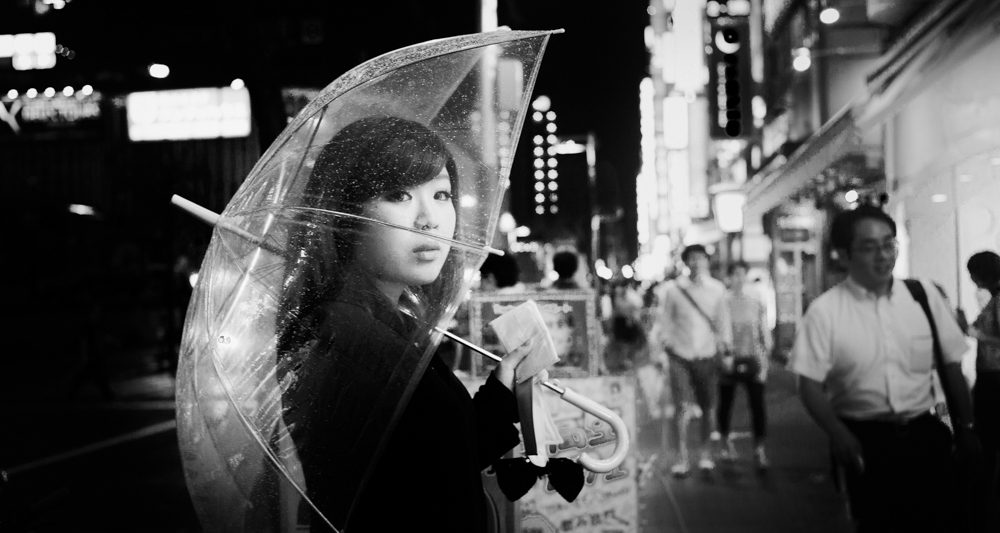
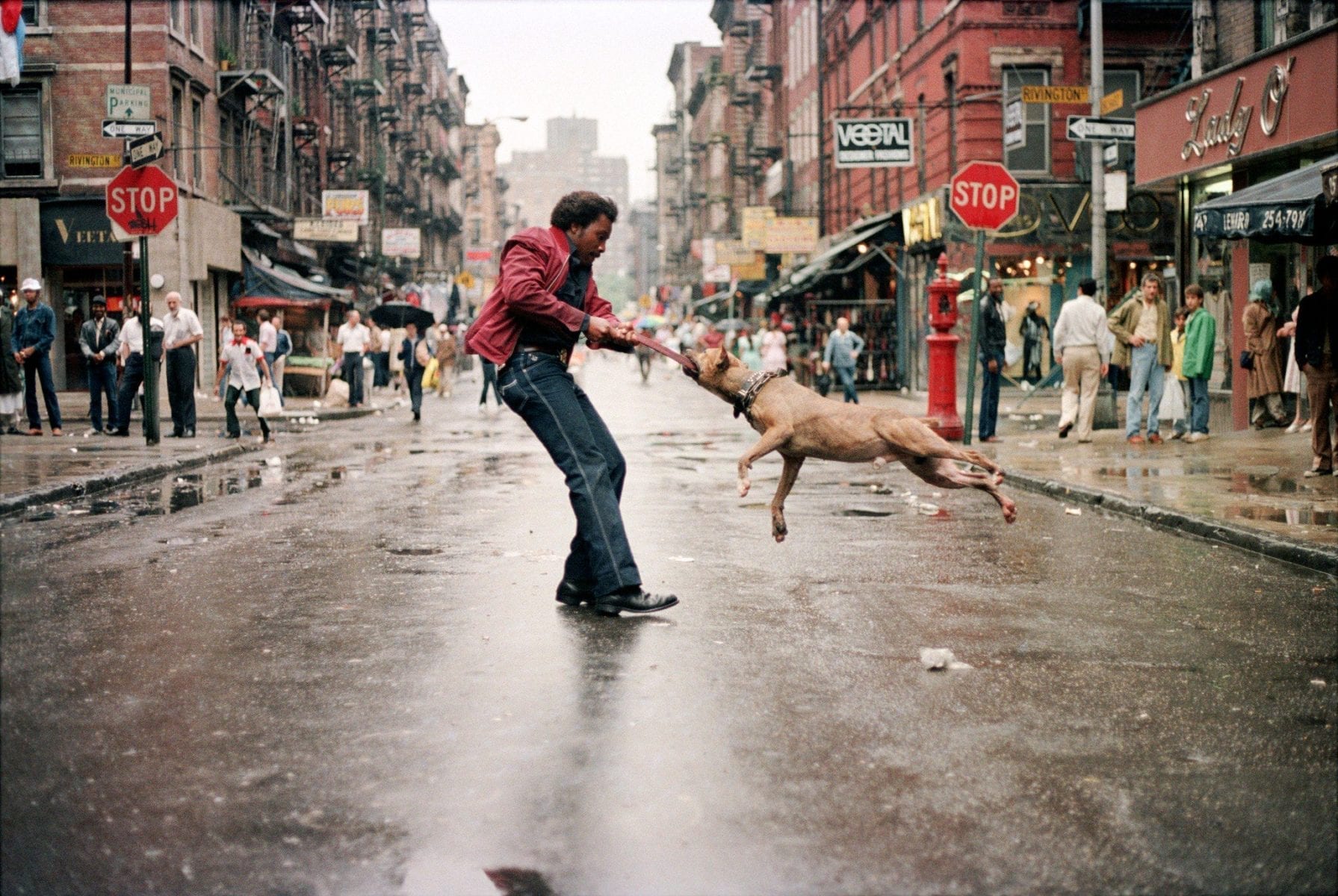
My message is how the my Asian culture aesthetically influenced this world.  I’m going to take abstract photos focusing on textures, colors, and small details that make my audience think of the Asian cultural elements they see in real life. I hope when people see my photos, they feel interested in Asian culture.  For inspiration, I will look for photographers who use cultural objects as their subject in their photographs. In my opinion, we should not forget the existence of our culture and history.  Both of these components make us us, and make us unique.

Abstraction in photography

The Pictorialism Movement in photography was popular in the late 1800s and early 1900s. Photographers in this movement wanted their photos to look like paintings or drawings. They often used soft focus, special filters, and effects to create mood and emotion. The goal was to make photography an art form like painting, rather than just capturing reality. Straight Photography started as a reaction against Pictorialism. Photographers in this movement focused on sharp, clear images that showed details exactly as they were. They didn’t want to manipulate photos to look like art, but instead wanted to celebrate the camera’s ability to capture reality. Straight photography was popular because it showed the true nature of objects and scenes, making photos more honest and direct.Petrocelli, Joseph: The Curb Market - New York

Petrocelli, Joseph: The Curb Market – New York

Edward Weston and Aaron Siskind were influenced by Straight Photography because their photos show clear, sharp details of everyday objects.

Andreas Gursky and Uta Barth create abstract photos because they focus on shapes, colors, and patterns rather than clear subjects. Their work can’t be classified as Pictorialist because they don’t use soft focus or painterly effects. They aren’t strictly Straight photographers either because their photos play with perception and abstraction, blending real-life elements in creative ways.

“The Curb Market – New York.” Brooklyn Museum, www.brooklynmuseum.org/objects/57891.

Elements of abstract photography

Definition

Abstract photography is a new form of digital art that requires advanced techniques.  A skilled abstract photographer would use a unique and interesting way.

Starting Point

Abstract photography can be defined as capturing images in which the subject isn’t the most interesting element. Albert Renger-Patzsch and Aaron Siskind photographed the ordinary to reveal their beauty. Uta Barth reversed the typical use of the camera, shooting out of focus and Andreas Gursky photographs the repetition of elements. During this unit, you will investigate appropriate examples of abstract photography and respond in your own way.

I think, “Abstract photography can be defined as capturing images in which the subject isn’t the most interesting element,” means that abstract photography is a skill to turn those “not-so-interesting” subjects into a new form of enjoyable art using unique techniques.

Wrong

In photography class, Ms. Stride showed the class this photo by John Baldessari.  She asked the class: “Why do you think this isn’t a good photo?”  My classmates had severals responses.  Some found out the tree that align with the person.  Others found that there are too many subjects.  Actually, those “mistakes” were intended to be made to be ironic.  In my opinion,  pictures cannot be simply classified as “good” or “bad”. Both kinds of photos allow us to have multiple different thoughts and feelings. They all demonstrate feelings, and offer a unique way to appreciate the digital art. Context in photography is important, because it provides either a story, or a significant idea that can be connected to the photograph.

Stranger than Fiction

The title of my book is “Lost in the Antarctic,” by Tod Olson.  A word to describe my book that I would choose is “adventurous, ” because the topic of my book is about 28 men with dozens of dogs on the journey of traveling through the Antarctic.  To explain the plots briefly, the main character is a guy named Shackleton, and he wanted to achieve a challenging target of traveling through across the Antarctic.  But when the crew of Shackleton was getting to the pole, their ship encountered a pressure ridge bore down on the starboard side of the ship, moreover the ice and the floe damaged the ship.  After, Shackleton planned to go to the Paulet island but eventually got to the Elephant Island.

However they were doing, the first central idea that I’ve sought out is that “Shackleton is a positive and bright leader.”  According to the pages, Shackleton sacrificed himself and handed his only biscuit for the day to Wild without hesitation, we can draw that Shackleton is a selfless leader.


This notebook page is about analyzing the author’s perspective and mind through the words.  My other central idea is:  “The survival condition of the Antarctic is desperately tough,” because through this page we can see that the author has a clear view of what was actually happening in the Antarctic-which is a horrible place to live.  The crises were such as blizzards and uncertain packs that could destroy ships.

This page includes some of the narrative elements in the book.  The most of the citations are about the challenges that Shackleton and his men were facing, and the author used very advanced narrative techniques to cast a vivid scene of the challenge to us.

This page of day 7 is about the main issues that Shackleton and his men had experienced, and divided into “cause” and “effect.”  Some of the “causes” affected significantly to the plan that were made initially, which had also played an important role to the plot of the book.  Furthermore, some of the effects could be both “cause” and “effect”, because they were connecting to and affecting others as well.

Humanism of Renaissance poster – Michael Wu

More info-video

More info-kidsbritannica

Found Poem

DESTINY BLADE
The name of my short story is, “Lather and nothing else” by Hernando Tellez. The protagonist of this story a revolutionary barber versus himself and partially with the antagonist, Captain Torres, while giving the him a shave. The author has stated the conflict in the text by using several descriptions of the barber’s thoughts. Furthermore, in my poem, I’ve used words that are dark to show one of the barber’s positions, which is murder the captain while giving the shave. On the other hand, I’ve also left a contradiction at the end to show the actual result of the conflict and the barber’s other position, fulfilling his duty. For the artwork, I’ve used the sketch of a hand holding a knife to represent murdering, and a completely red background for bloodiness, darkness, and mysteriousness, which implies the main content in my poem.

« Older posts Newer posts »

© 2025 Michael

Theme by Anders NorenUp ↑

Skip to toolbar