Amy

"I have no special talent. I am only passionately curious" - Albert Einstein

Page 2 of 3

Identity:PRESENT

Contact sheet:


Final works :

This is the final photograph I have chosen. I met my intentions by using a few photo techniques. I used a virtual lens and captured parts of a person’s face, capturing the upper half of the face with half-light and half-shadow, bright and half-dark. Virtualizing the lens and exposure gives the image an abstract and dreamlike atmosphere. By capturing local close-ups, the emotions of the characters are also made more expressive. These five photos show my use of various techniques in portrait photography, including lighting, angles, balance, color, blur, and light and shadow. Backlighting is also used, with the subject standing in a dark environment, with only the hair and part of the back illuminated, creating a dramatic light and shadow effect. The remaining few photos are regular indoor lighting conditions, with the subject’s face evenly illuminated. Most of the photos are from a frontal perspective, facing the camera directly. This allows the audience to clearly see the subject’s expression and features. One photo is taken from the side, which shows the profile and side features of the subject. The subject is placed in the center of the frame in each photo, maintaining visual balance. The background is simple and clean, which will not distract the viewer’s attention. Two photos use black and white and grayscale tones respectively, creating a retro and artistic atmosphere. The remaining photos remain in original colors, showing the true face of the subject. The background is usually blurred to a certain extent, making the subject stand out more. In particular, the blue gradient effect of the background shadow in the first and second photos adds a sense of depth and atmosphere. In addition, there are reflected shadows in the first and second photos, and the subject’s face is evenly illuminated without obvious shadows. The background uses a gradient of blue and purple tones, which increases the layering of the picture. The facial expressions of the characters also received attention, some with smiles and some with peaceful expressions, but my photos this time mainly shoot the faces of the characters from different angles, including finding out what effects different light will create. And by using black and white colors makes the photo look more story-like and also emphasizes the emotion.

But there are also areas that need improvement. Although I use light to reflect the shadows on the face, I can also add some fill light on the front to reduce the shadows on the face and make the facial details clearer. I can also try different angles and backgrounds to increase the fun and diversity of the photos. I can try more color combinations to find the color scheme that best suits the emotions I want to express. I can also capture more detailed facial expressions of the characters. In this photo, I can hardly see the specific emotions of the characters and cannot fully show the identity of the characters.

Identity-RESPOND

Identity portrait photographer:

Richard Avedon:

Richard Avedon was one of the most famous portrait and fashion photographers of the 20th century, renowned for his unique ability to capture people’s personalities and emotions. In the 《American West》(1985): This series documents ordinary people in the American West, showcasing their lives and emotions through portraits.
Richard Avedon’s shooting style is unique and highly personal, with his works having a profound impact on both fashion photography and portrait photography. Here are the main features of Avedon’s shooting style: Pure white or pure black backgrounds: Avedon’s portraits typically use pure white or pure black backgrounds, allowing viewers to focus entirely on the subject and highlighting their facial expressions, poses, and clothing details. He achieved this by removing distracting elements from the background, making the characters the sole focal point of the scene, thereby better conveying their personalities and emotions. Capture Moments: Avedon excels at capturing characters’ genuine expressions and moments, rather than posing in stiff poses. Avedon’s portrait is not just a record of appearance; it is also an exploration of a character’s inner world. He captures the subtle emotional shifts of the characters through the lens, allowing the audience to feel the joy, anger, sadness, and happiness of the subjects being photographed. His works often carry strong emotional tension, resonating in photographs whether it be joy, sadness, or anger. Avedon is very particular about the use of light, adept at leveraging both natural and artificial light to create various atmospheres and effects.

Evaluation of an image: 

In this black-and-white portrait taken by Richard Avedon, the character’s emotions are particularly evident. The person in the photo stared directly into the camera, their eyes resolute and profound, as if telling a story or emotion. Although his facial expression was calm, the corners of his mouth were slightly lowered, exuding a serious or contemplative mood. This reflects the character’s personality. Many photography techniques were used in the photos. Firstly, there is the use of light. The photo employs gentle side backlighting, with the main light source coming from the left side, illuminating the woman’s facial contours and shoulder neck, creating a striking contrast between light and shadow. This lighting setup enhances three-dimensional depth. Due to the appropriate angle of light, the highlights on the face stand in stark contrast to the shaded areas, particularly those below the eyes and on both sides of the nose, enhancing the three-dimensional appearance of the facial structure. At the same time, the gentle transition at the shoulders avoids stiff edges, creating a very harmonious overall appearance. Then there is the composition and layout, which maintain a sense of balance in this portrait. The woman’s eyes are located above the golden ratio line in the image, drawing the viewer’s attention while her chin rests below another dividing line, forming a stable visual center of gravity. The background is almost entirely blank with no unnecessary decorations or elements, minimizing the risk of distraction and keeping the viewer’s gaze fixed on the character. Black-and-white photography imbues images with a sense of mystery, removing any distractions that colors might bring, allowing viewers to focus more on the changes in light and shadow and the expressions of the characters. Moreover, monochromatic images can enhance the emotional expression capabilities of images, such as black and white, which often convey a sense of melancholy in characters.

From this photo, I can get inspiration from to highlight the importance of the subject through simple backgrounds and compositions. Sometimes, the simpler the design, the more captivating the character’s charm becomes. Mastering the use of light is crucial for improving the quality of photographic works. Rational arrangement of light source positions and intensities can help shape character images and enhance emotional expression. I can use silhouette light to hit people in my photography. Direct eye contact is a great communication tool, especially in portrait photography. It makes it easier for viewers to understand and feel the inner world and identity of the subject. Additionally, black and white photography is something I can apply to my own works, and the subjects also need to convey their expressions or feelings.

Statement of intent:

The title of this project is Identity Portrait. The concepts and stories I want to convey through my photos are the characters’ personalities and emotions, perhaps with each photo representing a different emotion—negative or positive, happy or sad—including details that reflect the characters’ personalities. I hope that viewers can experience the original characters’ personalities and emotions through portrait photography, and feel the emotions and atmosphere through my photographs. I will draw inspiration and develop my ideas by studying how to capture photos related to a person’s facial expressions, light, and angle, such as leading lines, layers, balance, high levels, contrast between light and shadow, and depth and darkness. I draw inspiration and develop my ideas by looking for photos to capture portraits of people.

Cites:

https://aperture.org/editorial/who-was-richard-avedon/

https://www.biography.com/celebrities/richard-avedon

Identity: RESEARCH (CONNECT & CREATE)

A portrait traditionally captures a person’s likeness, often focusing on their face or personality. Portraits aim to convey the likeness, personality, mood, and even the social status of the subject. It is possible to represent a person photographically without them being physically present in the image. This can be done through symbolic representations, such as photographing their personal objects, environment, or shadows, or by using abstract elements like empty spaces or reflections. Through shadow portraits, capturing a person’s shadow can hint at their existence and form without revealing their actual appearance. Shadows can be dynamic, changing with a person’s movement, providing a unique way to represent them. Furthermore, mirrors, water, glass, or other reflective surfaces can be used to capture a person’s reflection, creating a portrait that does not directly show the person but still represents them. Taking photos of items belonging to a person, such as clothing, jewelry, or personal belongings, can symbolize their presence and personality. These items can tell a story about an individual and their life. Through the environment, capturing a person’s living or working space can provide a deeper understanding of their personality and lifestyle. The environment can be a powerful way to represent a person’s essence and influence. There is also evidence of someone’s recent activities, such as a half-meal meal, a bed they just slept in, or a workspace that is still set up, which can indirectly suggest their presence. Each of these methods can be used to evoke feelings of a person’s existence and personality, even if they are not directly visible in the photos.

2. Mind Map:

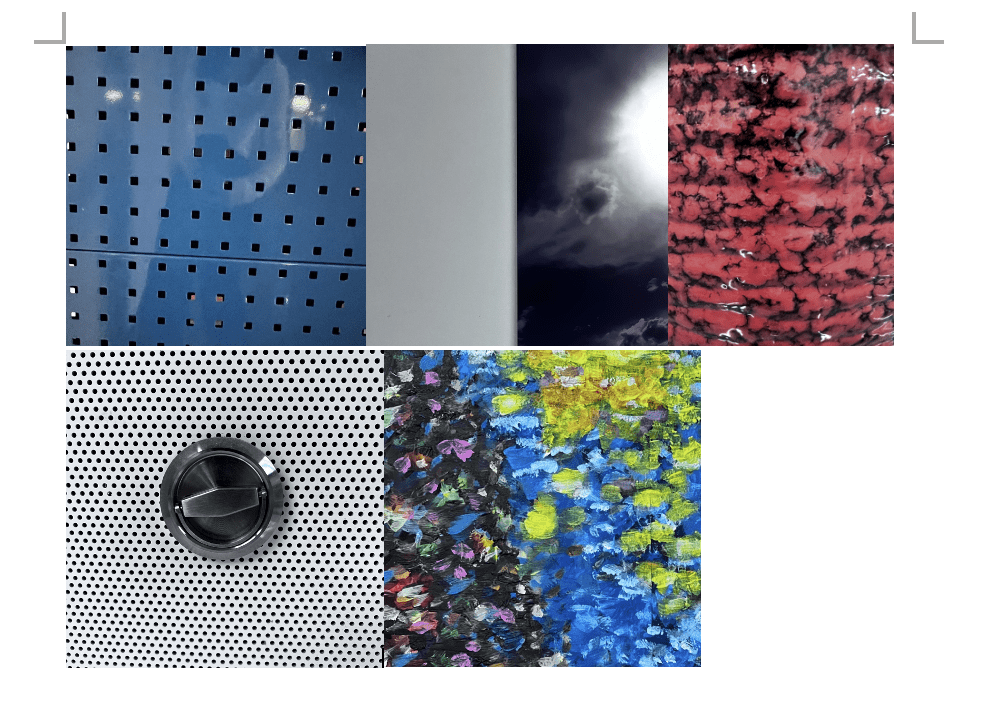
3. Mood board:

WORKING THE SCENE- PRESENT

 Final evaluation:

This photography mainly captures the moments of people’s slow paced daily life. I think my photography this time is more in line with the theme, capturing moments from life. In terms of composition, I effectively used the rule of thirds, placing the subject at the intersection or line to increase the balance of the picture, and making reasonable use of blank areas to make the subject more prominent. However, the composition of some images is not very good because it requires capturing moments quickly, so sometimes the angle cannot be found accurately, resulting in a composition that is relatively asymmetrical and lacks balance.I still need to improve the accuracy of focusing the camera. Some parts are not focused on the intended message, and many subjects in photos are blurry and not in focus. My photos tell the story of people living in a busy and leisurely manner. Through the photos, one can feel a sense of warmth and resonate with the audience. I have found some unique perspectives to present daily scenes, making the ordinary extraordinary. For example, through my photography, an ordinary thing has become an artistic feeling. I have captured people’s emotions and dynamic details, but I still need to enhance them. It would be better if I could take more photos of people’s facial features. Through this photography experience, I learned how to capture people’s movements and expressions on the streets, as well as how to use composition and lighting when shooting people, and how to create a more warm or specific feeling. The challenge I encountered was to try my best not to let people notice that I was taking pictures of them, so I was very careful when shooting, which resulted in some composition and feeling not being captured. Based on this experience, I believe that I need to improve in capturing photography quickly and strive to capture more details, even fleeting moments. In terms of composition, it is also necessary to have a clearer subject and more color contrast. I will also look for interesting composition elements by observing things around me in my daily life. For example, the light and shadow on street corners, the dynamics of crowds, etc.Practice shooting more and constantly try different composition methods to improve my shooting skills. Study the works of famous photographers, analyze their composition techniques, and understand how they handle complex scenes.


Final photo:

The reason why this photo is important is that from a critical point of view, the importance of this photo lies in the fact that it reveals some problems and phenomena in modern society. First of all, the person in the photo is an old man who is arranging the plants hanging on the wall. Although it seems to be a warm scene, it also implies the status and role of the elderly in today’s society. They are often regarded as a vulnerable group and face various challenges and difficulties. In addition, the photo also shows the impact of the urbanization process, where traditional building structures are gradually disappearing and replaced by modern high-rise buildings. This change not only affects the landscape of the city, but also affects people’s lifestyles and social relations.
Secondly, this photo can also be associated with the work of Henri Cartier-Bresson. In his works, he often focuses on the living conditions of ordinary people and social changes, trying to record important moments in the historical process through images. Similarly, my photo also embodies a similar creative concept, reflecting the problems existing in modern society by capturing the bits and pieces of daily life.
Finally, in terms of photographic techniques, this photo uses simple composition principles to focus on the characters and their surroundings. This arrangement not only highlights the theme, but also avoids the influence of too many interfering factors. At the same time, I also cleverly used the changes in light to enhance the layering and three-dimensionality of the picture. The shooting techniques of this photo are similar to the style of Henri Cartier-Bresson. Cartier-Bresson emphasized capturing the “decisive moment”, that is, those moments that perfectly reflect the essence of an event. This was taken in a moment and captured a scene full of stories. Cartier-Bresson’s works usually have very simple compositions, containing only necessary elements. In my photo, the main focus is on an old man and his movements. Although the background is rich but not messy, it adds depth and layering to the picture. Cartier-Bresson is very good at using natural light to shape images and emotions. Similarly, in this photo, the sun shines through the leaves and falls on the ground, forming an interesting light and shadow effect, adding some vitality and vitality to the whole scene.

WORKING THE SCENE-Hutongs

Street Photographer: 

Henri Cartier Bresson:

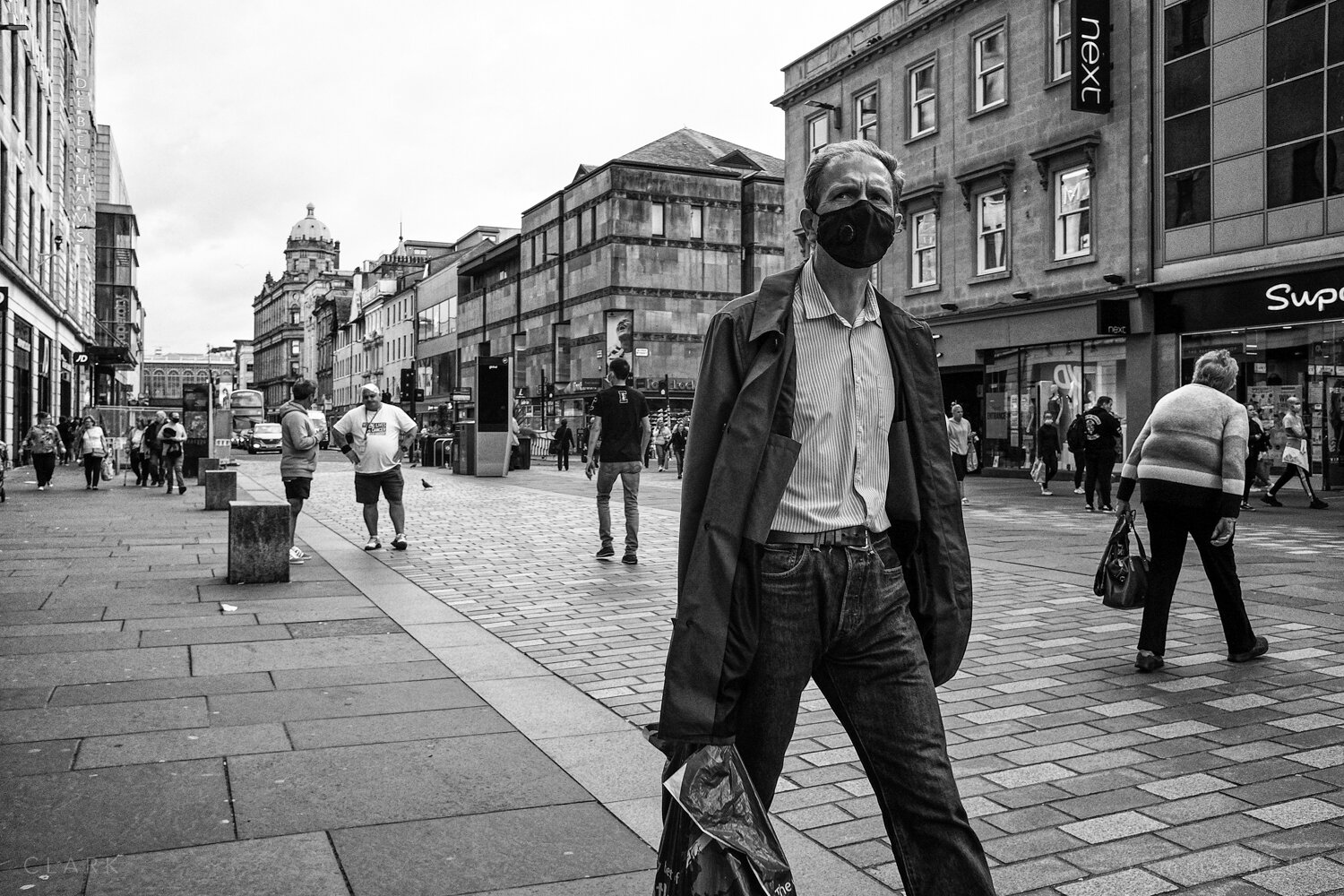
Henri Cartier-Bresson (August 22, 1908 – August 3, 2004) was a French photographer considered a master of candid photography and an early user of 35mm film. He is renowned for his street photography and the concept of the “decisive moment” in photography, which refers to capturing a fleeting instant in which elements come together in perfect harmony. His photography style mainly focuses on capturing real scenes in daily life. He believes that every scene has its best moment, and photographers need to press the shutter button at this moment to capture the most realistic and expressive moments. Whether it’s ordinary people on the streets or major historical events, he can record them in a simple yet profound way. His works often showcase the diversity and complexity of society, reflecting various aspects of human life. Cartier Bresson’s works have simple and powerful compositions, and are adept at using geometric shapes and lines to enhance the visual effect of the image. He often uses techniques such as symmetry, contrast, and balance to give his photos a strong visual impact and artistic beauty. This is very consistent with my theme, and what I am going to shoot is also capturing real scenes on the street, such as pedestrians passing by. And in terms of composition, I was inspired by him, using many techniques of contrast and symmetry, and each photo needs to have a main character or object.

35mm Street. A street photography blog by Derek Clark. With tutorials, tips and plenty of pictures — Derek Clark PhotographyHenri Cartier-Bresson | Fotografiska StockholmStreet Photography Tips and Techniques10 things to know about Henri Cartier-Bresson | Christie's

Evaluation of an image –

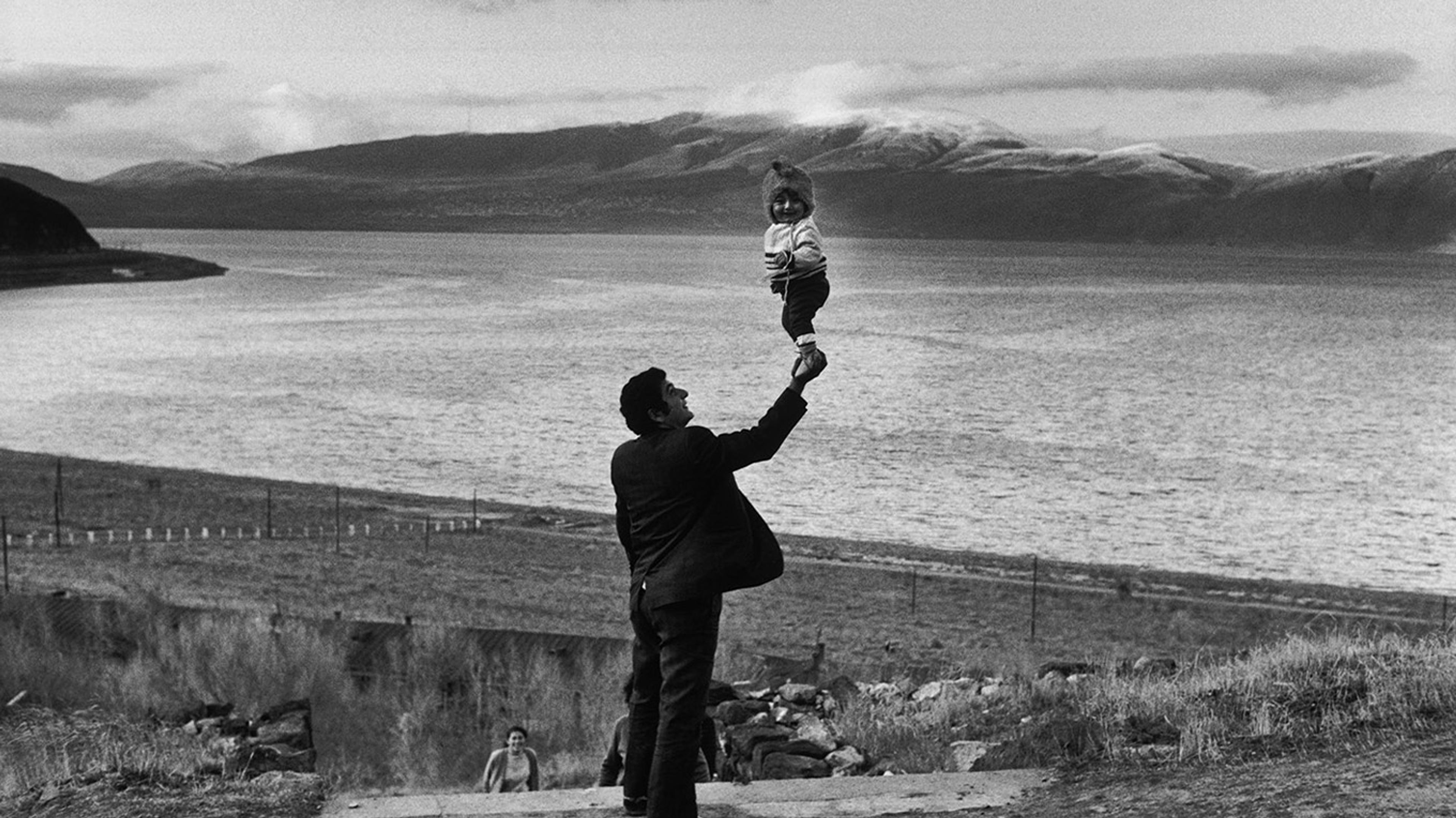
Henri Cartier-Bresson | Fotografiska Stockholm

Cartier-Bresson’s “Father and Child by the Sea” masterfully encapsulates a tender and fleeting moment between a parent and child. The photograph depicts a father joyously lifting his child high above his head against the backdrop of a serene sea and distant mountains. The child’s delighted expression and the father’s loving gaze create an emotional connection that resonates deeply.      The composition is expertly crafted, with the figures positioned off-center, drawing the viewer’s eye across the frame. The use of black and white emphasizes the textures and contrasts, from the rippling water to the rugged terrain, adding depth and dimension to the scene. The background elements, including the fence and the natural landscape, provide context without distracting from the intimate interaction at the heart of the image. This photograph embodies Cartier-Bresson’s philosophy of capturing the decisive moment, where timing and instinct converge to reveal the essence of a scene. The dynamic pose of the father and the child’s airborne position convey a sense of motion and spontaneity, freezing a moment of pure joy and connection. The interplay of light and shadow further enhances the dramatic effect, casting shadows that add layers of meaning and emotion.  Overall, “Father and Child by the Sea” is a poignant example of Cartier-Bresson’s ability to transform ordinary moments into extraordinary images, celebrating the beauty of human relationships and the power of photography to preserve fleeting emotions for eternity.

My street photo shoots:

My best photoshoot image:

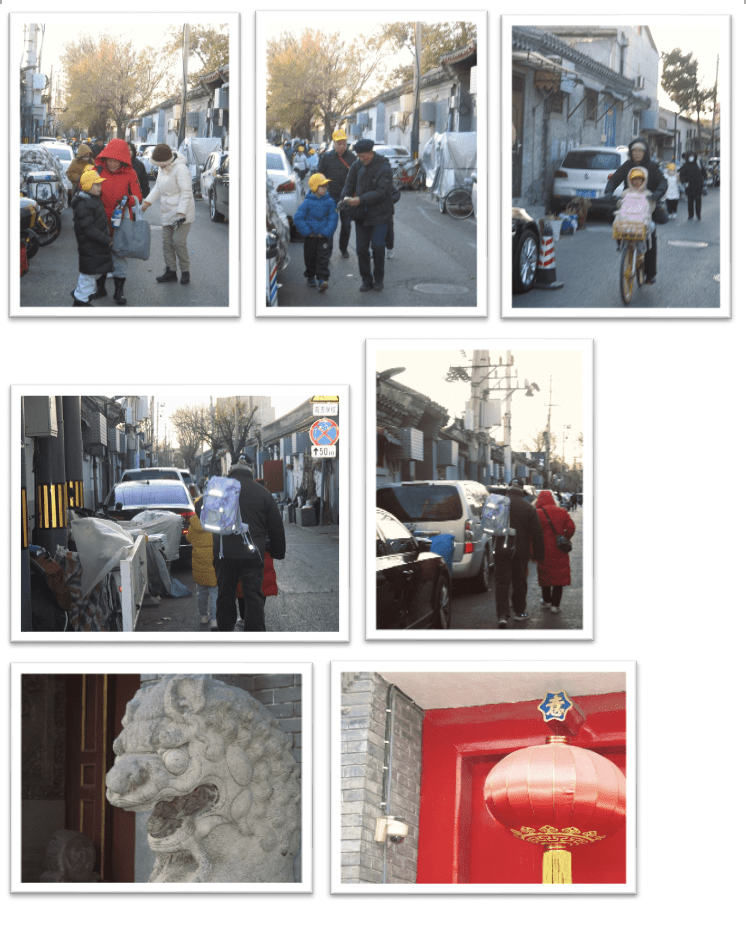
This photo shows the moment of life captured in Beijing alley. It was taken by an old man as he was tidying up plants hanging on the wall against a backdrop of typical alley buildings and telephone poles. The theme I want to convey in this photo is a sense of tranquility and calm, showing the details of the lives of the residents of the old Beijing Hutong. It’s fun in ordinary life. I used a three-dimensional composition, placing the old man on the left side of the center of the picture, so that the old man became the main body and the center of the picture. Leave enough space up and down to show the alley environment, but also make the overall composition look more harmonious. This is taken at sunset, so the light and shadow appear to have a contrast between light and shade, and the shadow effect adds to the picture’s sense of hierarchy. The subject of this photograph is a story that tells the story of life. It reminds people in the alley how carefully they take care of their homes, and their love and perseverance in life. This photo successfully captures an ordinary and beautiful moment, showcasing the unique charm of alley culture.

I chose these as my best photos. Each photo contains the subject of the person and object and fits well with the theme of street photography. These photos fully demonstrate the ordinary lives and stories of people in the alley, and discover the beauty of life with the camera. And the overall composition is also very harmonious, the picture has the appropriate distance between the left and right. There are also many guide lines in the composition, such as roads and fences, which give these spaces enough space in the photograph to reflect the contrast between the foreground and the background of the important person. Most of the shots were taken at the same angle as the height of the eyes, and then I used close-ups to capture details like pedestrians. I captured every decisive moment well, and when everything was perfectly aligned, I pressed the shutter at the right point in time to take the picture. The contrast between light and shadow is also reflected in the picture, some places dark and some places bright. And these photos all show people’s direct connections, relationships, and emotions. There are couples chatting, elderly people walking, courier in a hurry, parents who pick up their children for school, and cats hiding in the corner.

WORKING THE SCENE 01 – RESEARCH

Street photography:

Street photography is a type of photography that focuses on capturing moments in everyday life, often in public places such as streets, parks, or urban settings. The goal is to capture human experience and provide real phenomena. Street photography often emphasizes spontaneous moments, the interaction between light and shadow, and the environment in which people interact. It is characterized by a focus on natural, unplanned scenes rather than stage or director’s work.

Mind Map:

mood board :

Statement of Intent:

The title of this project is story in the Hutong. The concept and story I want to tell with my photographs is what happens in Hutong, people’s dynamics, different things that happen every day and people’s daily life. I want the audience to feel the warmth and fun of life through street photography, and behind each photo there are different meanings and people’s lives. I will get inspiration and develop my ideas by looking for photographs that play with composition, and perspective&angles, for example: leading lines, layering, high level..etc,also the contrast of light and shadow, the deep and dark area need to be showed. And I will get inspiration and develop my ideas by looking for photographs that shoot urban life and people in street walking.

Photo Safari – Blog post 6

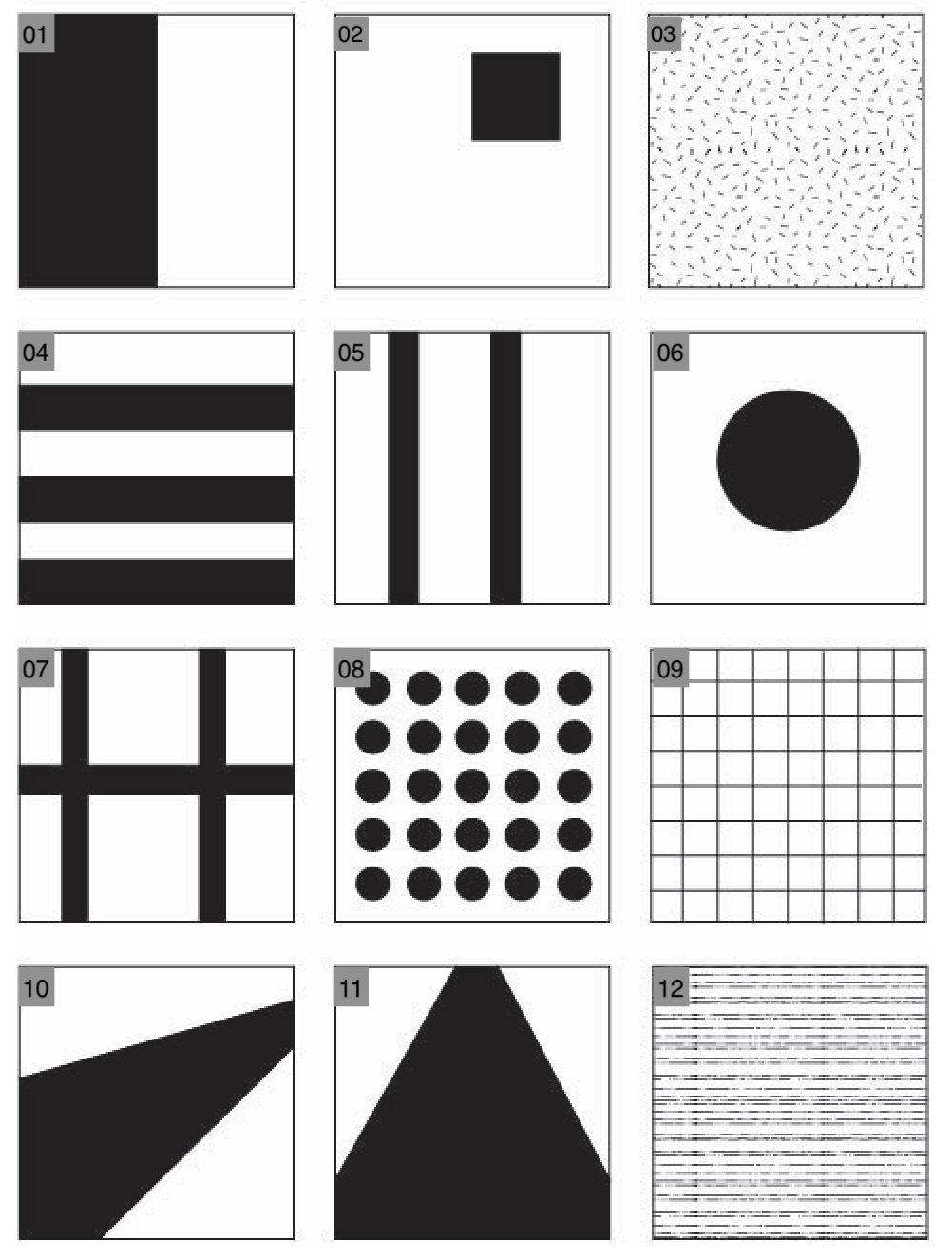
  1. Value – This image shows a clear contrast between black and white, emphasizing the concept of value.

2.  Shape – The central focus is on the square shape within the image.

3. Texture – The random pattern of lines creates a textured appearance.

4. Line – The horizontal and vertical lines create a grid-like structure.

5. Line- The vertical lines dominate this image.

6. Form – The circle represents a three-dimensional form.

7. Line – The intersecting lines create a cross shape.

8. Pattern- The repeated circles form a regular pattern.

9. Grid- The grid structure emphasizes the use of lines to create a structured space.

10. Direction- The diagonal lines suggest movement and direction.

11. Perspective – The converging lines create a sense of perspective and depth.

12. Texture – The dense, parallel lines give a textured feel to the image.


I took some pictures with the same pattern as the drawings. These patterns were captured in detail by me on the object. Regular geometric patterns such as dots, circles, and rectangles are better to photograph, but without regular patterns, it is difficult to capture the same pattern in life, such as tilted.


Mind map-Blog post 7

Statement of intent blog post 8

The cultural in our life

The message I want my audience to think about is the different perspective of culture, and to view, investigate the culture that appears in our life, for example: architecture… just everywhere that can find out elements of different culture. I want the audience to discover and realize that there are many things or sights in life that represent a variety of different cultures, and feel proud of their own country’s cultures or appreciate other country’s cultures, and appreciate the greatness of these architectural or scenic objects that embody the culture. I will get inspiration and develop my ideas by looking for photographs that focus on architecture, in what way and how to take good photos of them, and I will also find a photographer who explores cultural, finding the cultures in the life. In my opinion, we have to explore and find the culture in our life to make connection of the world.

Statement of intent:

In this photography, my intention is to observe different cultures through objects in my life, focusing mainly on photographing different buildings or objects that represent the culture of any country. It is mainly photographed in various shapes and angles which is geometric abstraction. Abstract shooting techniques are used to take pictures by unusual angle or, or sharpness changes, sometimes photographing the details of an object, or blurring the image. Aerial shots and intentionally moving the camera or obscuring the scale of a photo can transform recognizable landscapes into intriguing abstract images.

Abstraction 03-Set 1

Analysis of an artist:

Paul Browns :Dutch photographer Paul Brouns is fascinated by the interplay between reality registration and geometric abstraction, capturing urban architecture. Another reality emerges from his carefully edited images, inviting the viewer into Paul’s world of geometry, rhythm and color. Paul was attracted to abstract architectural elements, such as the rhythm of the windows and the color of the surfaces, and Paul photographed isolated parts and features of the building. Focusing on the light and detail that is presented when photographed, each image provides different features of these architectural structures.

The characteristics of these photos are:
The first is geometry, the design of the buildings photographed by the photographer is full of repetitive and regular patterns and vertical lines, forming a strong geometric pattern, and all are angular. The second is the light and shadow effect, where the photographer captures the light creating a clear shadow on the surface of the building. The third is simplicity, the shooting style is very simple. The fourth is perspective, by photographing the height of the entire building, the photographer uses perspective principle, using a macro perspective to photograph the building, making the building look taller and grander. This perspective also emphasizes the vertical lines of the building and the repeated arrangement of objects. The fifth is abstraction, where the photographer simplifies the building into a series of basic geometries, such as straight lines, curves, and rectangles, creating a highly abstracted visual effect. This technique helps the audience to focus on the form itself rather than on specific objects.
The features of these photos are basically the same. For example, the first and second photos contain square geometry, the third and fourth photos contain circular elements, and the shooting style is to highlight the regularity and geometric pattern of the object. These photographs show abstraction in several ways: instead of photographing the whole of the building, the part of the building, the photographer looks for the regular geometric patterns of the parts. Capture objects that don’t seem to exist in the real world. Photographers cleverly use light and shadow to enhance the depth and dimension of the image. Both day and night, they found the best angle to capture the most compelling light and shadow effects. The color combination of the pictures captured by the photographer is also very common, and it is a very contrasting color. Although these are actual buildings, by choosing specific angles and cutting methods, the photographer transforms them into more artistic works.

I like this unique style of photography because the photographer takes pictures of seemingly ordinary buildings with his own angles and techniques into regular and artistic works. These photographs usually have a minimalist aesthetic, contain only the necessary elements, and have no excess decorations or distractions.
Many photos emphasize the geometry of buildings and other objects, such as straight lines, curves, circles, etc. These shapes create interesting proportional relationships and visual rhythms. I love the good composition that makes the photos look balanced.

Blue Fugue by Paul Brouns

https://www.riseart.com/art/160875/blue-fugue-by-paul-brouns

Palace of Hidden Desires by Paul Brouns

https://www.riseart.com/art/158533/palace-of-hidden-desires-by-paul-brouns-1

Prism of Perspectives I by Paul Brouns

https://www.riseart.com/art/156936/prism-of-perspectives-i-by-paul-brouns

Clouded Clarity by Paul Brouns

https://www.riseart.com/art/149634/clouded-clarity-by-paul-brouns

Encompassing Space by Paul Brouns

https://www.riseart.com/art/154716/encompassing-space-by-paul-brouns

Breath of Life by Paul Brouns

https://www.riseart.com/art/154714/breath-of-life-by-paul-brouns

MoMA Labyrinth by Paul Brouns

https://www.riseart.com/art/147071/moma-labyrinth-by-paul-brouns

Heart of Gold by Paul Brouns

https://www.riseart.com/art/149665/heart-of-gold-by-paul-brouns

Connection to my vision:I chose this photographer because I liked his unique abstract style of photographing buildings, and I was interested in photographing buildings, so I chose this type of photographer. Because the theme I chose was to photograph the multifaceted nature of buildings in my life and have objects that represent culture, including geometry that I would also photograph, this fits my idea. I will learn the photographic style of this photographer, using different compositions and angles to photograph buildings or objects that represent cultural or storytelling. I was inspired by how this photographer photographed buildings with regular geometric patterns, as I used to photograph the buildings themselves, but now I know how to explore the other side from different angles.

Evaluation of one of their photos: 

Encompassing Space by Paul Brouns

I chose this photo because there‘s different shapes from other photos and it’s unique. The most striking formal element in this photo is: repetition. The image is characterized by repeated patterns of geometry and lines in the building, which not only emphasizes the symmetry and complexity of the building, but also creates a sense of depth and scale that makes the space appear spacious and complex. At first, it seems irregular, but it is actually made up of a lot of graphics. What surprised me about this picture was the unique perspective it had when it was taken. The image captures an upward view of a large atrium with a complex geometric glass ceiling, creating an illusion of depth and openness. The combination of natural light filtered through the glass and repeated patterns of windows on the surrounding walls makes it almost feel like looking up at the sky through a giant kaleidoscope. An important formal element in this photo is: the line. The intricate network of lines formed by structural beams and windows creates a visually dizzying pattern that guides the viewer’s eyes through the image. These lines not only emphasize the architectural beauty of the building, but also add depth and perspective, which can only be composed of countless lines.

Work cited:

Brouns, Paul. “Paul Brouns.” Rise Art, www.riseart.com/artist/124095/paul-brouns?page=2. Accessed 23 Oct. 2024.

All of my photos

“Yellow ”photos:

I chose these as “yellow” photos because they fit my theme and are the most representative, mostly buildings, and fit my theme of taking geometric patterns in buildings. There are also different stories or backgrounds behind these buildings. For example, the steam pipeline I photographed was built in 1953 for thermal transportation, and Furnace Square has a history of producing the first gas crack in the former state-owned 751. Including the train I photographed in the train block, which used to be a special line for transporting materials to the coal plant at Plant 751. There are also some of the museums I photographed outside the building, there are many windows and graphics, such design itself is an abstraction, including the design of the exterior and the designer’s own concept and cultural background. Used when I photographed buildings from different angles to make them look abstract. Mainly using focusing to photograph objects, I chose to cool and dark tones to make the buildings look mysterious and melancholy.

“Green ”photos:

The photos I chose together show the architectural landscape. In the composition, I used different angles and perspectives, with back-to-back, top-to-top and head-to-head shots, so that each photo looks abstract. I also pay attention to detail, creating a rich sense of hierarchy and volume through careful selection and arrangement of lines, shapes and textures. I also make the effect of light and shadow, increasing the contrast between objects. I also adjust the overall tone of the picture by controlling exposure and color saturation to give it a cold and calm industrial style.

Evaluation of 1 “red” images:

I chose this as the “red” photo because it is the most consistent and well-taken photo of my abstract architecture among many works. This photo contains a lot of geometric elements, arcs, squares including many angles. It is a very abstract and special building with blue windows and light and shadow, which adds a little color contrast. I actually used several different angles when I was shooting the building, including capturing the rest of the building, because the building wasn’t as small as this picture showed, I just captured a small part of it. But in the end I chose this one from a positive angle because I think it’s the best composition.

Here’s why I chose this photo and my understanding: this photo uses symmetrical composition, the central arch divides the picture into two parts, forming a balanced and harmonious visual effect. There is a part of the sculpture in the foreground, which adds a sense of hierarchy to the picture and forms a contrast between the foreground and the background. The arc line of the arch and the straight line of the upper window form a strong contrast, and it has achieved the function of using the wire. The bright blue glass windows in the photo create a sharp contrast and contrast with the gray walls, enhancing the visual impact of the picture. The overall tone is biased toward gray-blue, and this cold tone gives people a sense of tranquility. Finally, this picture has no unnecessary clutter and is a simple and abstract style photo.

The area I need to improve on my next shot is to use more shooting techniques, such as making images appear false. Then photograph more different elements, and this time the architectural style is too similar. I will do more research and research on photography for the next shoot, so that I can understand the techniques in photography and how to make a good picture.

« Older posts Newer posts »

© 2025 Amy

Theme by Anders NorenUp ↑

Skip to toolbar