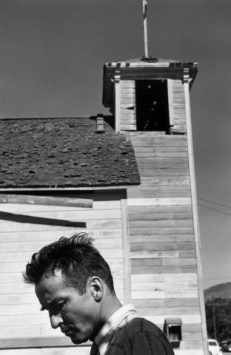

Above pictures by Ernst Haas


Above photos by Richard Burbridge (1st photo would be ideal if it was in black and white)
Above pictures by Ernst Haas
Above photos by Richard Burbridge (1st photo would be ideal if it was in black and white)
We went on a second photography trip a few weeks ago to the Hutongs to explore street photography! It was delightful, and I got to take many lovely photos.
Full contact sheet: Hutong Photos
I took 141 photos and appended an edited version of another picture to the contact sheet, totaling 142 images. I focused more on getting the theme of my statement of intent through than emulating the style of anything on my mood board while we were taking photos, which resulted in the full contact sheet having many pictures of people doing things but fewer pictures with the dark lighting or even color palette shown in my mood board. Finding subjects and taking photos was also tricky since I was unused to street photography, which led to a smaller photo output than the 798 trip.
“Yellow” contact sheet (includes final chosen photos): Hutong Photos – Y/G

I chose these photos because I felt that they fit the theme of my statement of intent the best and because some of them are just lovely photos (e.g., photo 6, which is more abstract than street photography, but I really like the little touch of irony it has). Things like playing cards, fishing, and exploring an iconic destination with someone you really like are all things that don’t change much throughout different cultures.
Final selected photos: Hutong Photos – Final (Part of the exporting process went wrong, and the images display their filenames on their captions instead of their dates. Please look at the previous contact sheet for information on when these photos were taken.
I’ve chosen these three photos from the previous contact sheet since they fit the statement of intent’s themes the best, and they’re the best photos from the ones I took during the trip. Let’s briefly look at each individually and do some editing in Photoshop to make them fit the visual themes in the mood board better.
Picture #1: Explorers Of Yourself
In larger cities like Beijing with famous tourist attractions, like the Hutongs, where I took all these photos, it’s easy to find young couples like the one in the image adventuring together. However, when one navigates an attraction like the Hutongs, it’s quite different from something like an art exhibition where there’s art everywhere for you to look at – instead, there are roads and gaps between the historically important stuff you came for, full of street food and shops. This means that, for a decent portion of the time they spend exploring, people who come to places like this aren’t actually absorbing any of the main content they came for and are rather navigating through roads and shops to find their next interesting stop. While they are doing that, most people like to talk and learn new things about each other. Though which famous tourist destination one goes to will differ per country, one thing will never change: the opportunity to explore yourselves.
In comparison to the pictures I’ve selected for my plans, I find this picture too chaotic and vibrant.

To fix this, I’ve made the background completely black and white, which clearly shows the couple as the main subject in this image. Not only does this make the lady’s jacket fit into the gray colors of the background, but it also visually represents my previous description of how people focus on talking with each other on parts of an excursion like this.
Picture #2: Gone Fishing
This image, unlike many others that I took on the Hutong trip, evokes a very serene feeling as opposed to a lively one. The horizon is flat and the angles are small, especially when viewed against my affinity for Dutch angles. It has a bit of context to it – the motorbike hiding in the left corner shows a little about how the fishers got here and the design of the railing coupled with the willow tree reveal a bit about their location (when presented to an unknowing viewer). Though not everyone can be in their same scenario, the feeling captured in this image is definitely not exclusive to the subjects of this image.
The composition here is very nice in my opinion but the colors are too light.

To fix this, I upped the saturation of the image significantly, and added a light blue tint to the image to make the water’s color more vibrant. This makes it easier to differentiate the water from the sky, and I also really like how the trees in the background look.
Picture #3: The Card Players
In all of Cézanne’s series of paintings titled The Card Players featuring more than two players, we can see an interesting dynamic which I’ve mirrored in this image. Every man at the table wears tall hats, heavy coats, and poker faces, slightly hunched over their cards, whereas the spectator of the card game gazes down at the players from above, appearing not enthusiastic, but definitely interested in the game. This is mirrored in the image I took – the four players, all intently staring at their cards, appear disengaged and almost bored, whereas the man in the background looks quite interested, likely since the players have to focus on winning and he doesn’t. This, coupled with the offset angles of the exercise equipment in the background and the diagonally placed table, give the image a sense of tension akin to that of Cézanne’s painting – a piece of art in another medium and from another part of the world, which reflects my theme of similarities across different cultures.
I’ve already made some edits so I was mostly satisfied with this picture, but I decided to go back and see if I could make it better.

A Final Moment
My portrait photography project will be titled “A Final Moment”. This project will be a small collection of photos, likely a triptych or collection of 9 photos, depending on how many I take. “A Final Moment” will be comprised of portraits with the prompt: “If the world were to end tomorrow evening, what would you do?” While brainstorming, I realized that this prompt varies for each person since everyone will want to spend their last moments doing the things they love most or the things they’ve never gotten to do, which varies per person. I want viewers of my portrait photography project to think about how they would respond to the question and who or what they hold closest to their hearts. In order to achieve an effect that feels hypothetical, dreamy, and conclusive, I will take inspiration from a photographer like Ernst Haas, who takes more abstract portraits in black and white.
The general concept I want to focus on is how different cultures worldwide still share many similar customs. I think it’s interesting to find parallels between people from all around the world and I think this can be captured well with street photography since people will be “in the moment” when you’re taking their photos. I can do this by taking inspiration from a photographer who takes photos of people performing these actions or an artist in another medium who does something similar.


Above images by Pau Buscato
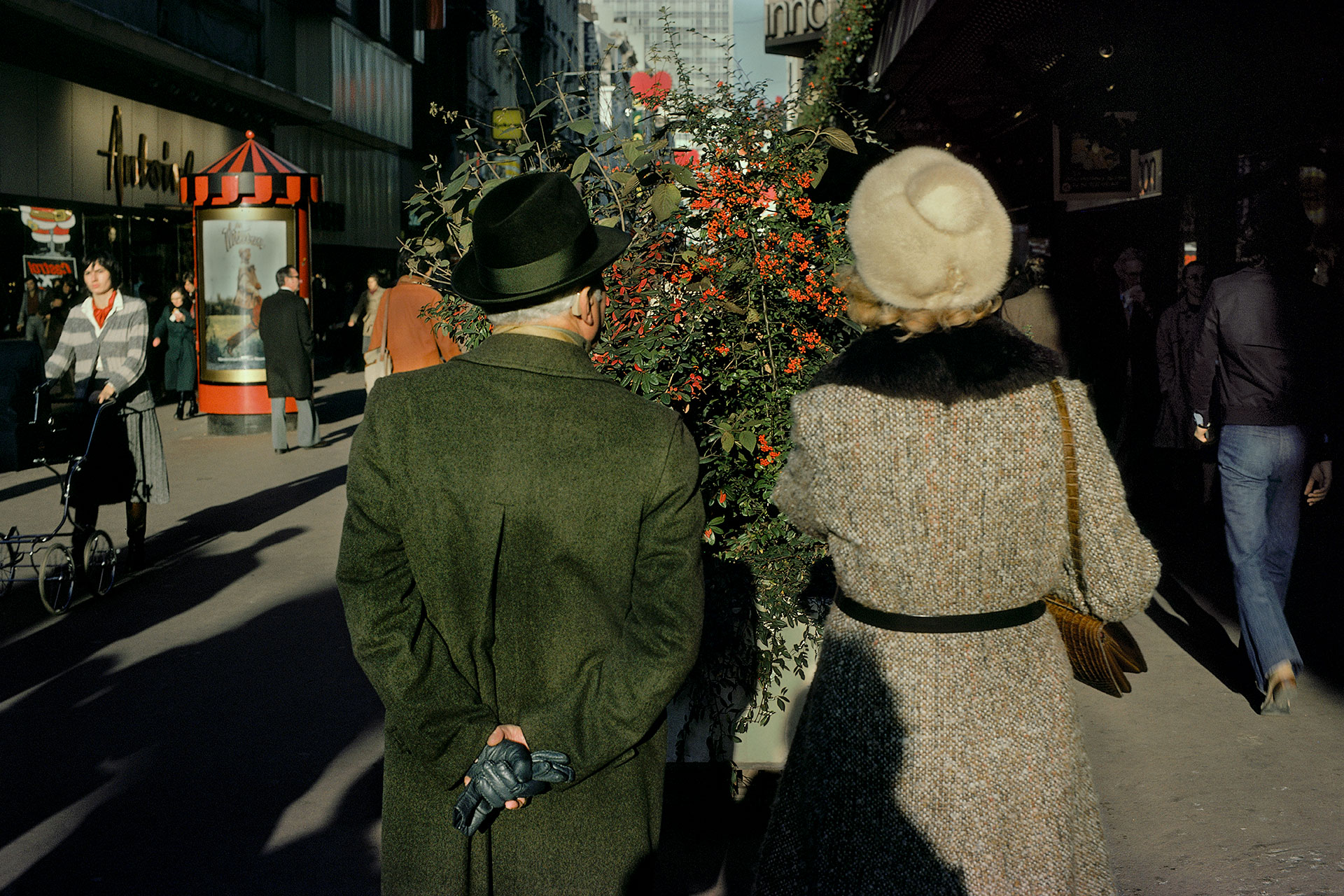
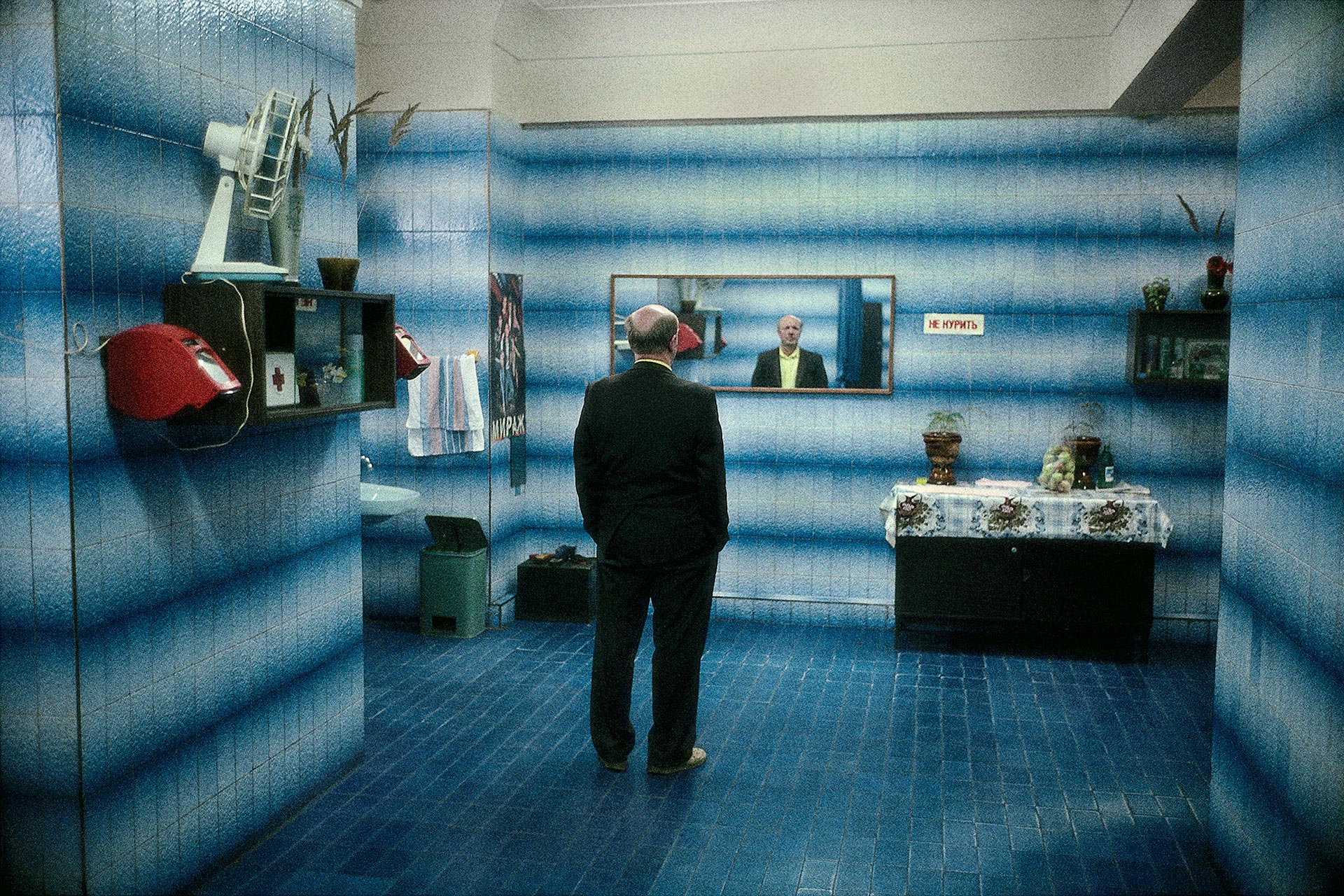
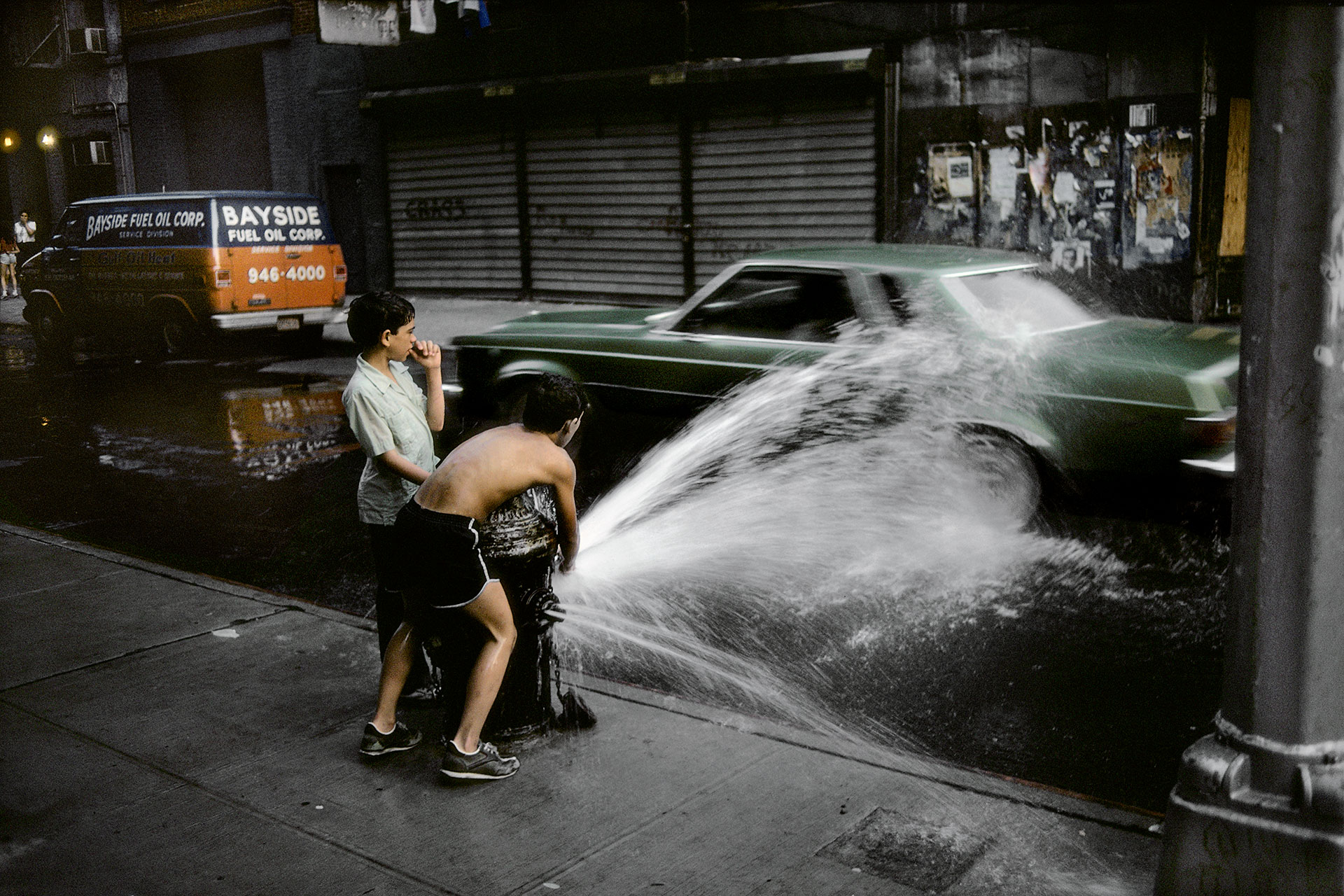
Above images by Harry Gruyaert
I found two street photographers online (Mindy Tan & David Shams) who have done street photography in Beijing’s Hutongs, and have used their photos (as well as the photos provided in DX) for my mind map.

How each of my concepts/techniques may be used during the Hutong trip:
Image Sources:
https://www.davidshamswriter.com/photography/capturing-beijing-the-summer-palace-and-street-photography-in-the-hutongs
https://www.mindytan.com/Beijing’s-Hutong/thumbs
The London Festival of Photography defines Street Photography as “…un-posed, un-staged photography which captures, explores or questions contemporary society and the relationships between individuals and their surroundings”. It has been suggested that Henri Cartier-Bresson and Robert Frank, amongst others, are the fathers of Street Photography. Research Street Photography and produce work based on your observations of individuals and their surroundings.
This definition is one that I mostly agree with. I believe that street photography should definitely explore contemporary society and the relationships between individuals and their surroundings, which can be achieved with an impromptu (un-staged) setting. A staged photograph, e.g. Review by Andreas Gursky (https://www.andreasgursky.com/en/works/2015/rueckblick), definitely presents different emotions to the viewer than a photo taken while one is actually in the act of doing something, like reviewing a painting. Said elicitation of different emotions is what I think really defines street photography.
My definition of street photography:
“Street photography is capturing an unstaged action or emotion, which typically is done by taking un-posed, un-staged photographs. This style of photography, as its name suggests, often takes place in urban areas and streets and explores themes in contemporary society.” – Jack, 2024
Triptych 1: Finite – Images

Details about the reasoning behind how I took these photos can be found in my other 798 blog post.
I think I met my intentions well in this set of photos. Composition is something that a lot of people need to look for when looking at pictures or taking pictures. These photos were influenced more by Andreas Gurksy since he has more purely abstract works. I didn’t encounter many challenges with these photos, but it was difficult to incorporate composition into these types of photos. However, I was able to overcome this obstacle via trial and error. In my opinion, these photos
Triptych 2: Finite – Industrial Scenes

A month ago, we went on a photography trip to the 798 Art Zone to take photos and explore abstract photography. We had previously written statements of intent (mine being “Finite”, which is in its own blog post).
Full contact sheet:
I took a total of 173 photos during the trip. I tried to emulate Andreas Gursky’s style. However, it was difficult to find subjects that matched his since the Art Zone used to be a factory/worksite if I remember correctly, so it is, therefore, more industrial (whereas Gursky’s photos feel more liminal and sometimes staged and perfect). I also took quite a few industrial photos since they match my statement of intent and because the Art Zone is full of opportunities for those.
“Yellow” contact sheet: 798 Photos – Yellow
I chose these photos since I felt that they best fit the style I was going for and my statement of intent. In my opinion, these photos reflect things that we often overlook in our lives – clouds, outlets, factories (specifically, the process in a factory where things we use are made), the past (telephone), et cetera.
“Red” contact sheet: 798 Photos – Green (I’ve accidentally labeled this contact sheet as “Green”. Please forgive me for the error.)
Out of these 8 photos, I’ve envisioned two triptychs (though I’m still thinking about titles).
Option 1 will be made up of photos 1, 6, and 7. These photos (except for the clouds one) were taken by pressing my phone’s camera against something and taking a photo of the blurry, dark result, which doesn’t look like much at all, but one could still make out some composition – foreground, background, etc. These images match my statement of intent since people often look at photos taken by professional photographers or stock photographers and completely overlook the artistic elements of the photos. Before I took photography, composition would be the last thing I’d be thinking about whenever I was looking for stock photos – which is funny, since I was overlooking the things that the photographer was doing to make the photo actually look good.
Option 2 would be the three industrial photos: 2, 3, and 8. I applied the silvertone filter to these images using my phone. They match my statement of intent since factories and industrial places are where the things we use everyday are created, but we rarely think about them.

Image Sources:
Hoiberg, Christian. “Ultimate Guide to Long Exposure Photography.” CaptureLandscapes, 5 Nov. 2020, www.capturelandscapes.com/ultimate-guide-long-exposure-photography/. Accessed 13 Sept. 2024.
“Andreas Gursky | Selected Works – Rhein III (Rhine III).” Andreasgursky.com, 2018, www.andreasgursky.com/en/works/2018/rhein-3. Accessed 13 Sept. 2024.
“Andreas Gursky | Selected Works – Beijing.” Andreasgursky.com, 2024, www.andreasgursky.com/en/works/2010/beijing1. Accessed 13 Sept. 2024.
“Andreas Gursky | Selected Works – Review.” Andreasgursky.com, 2015, www.andreasgursky.com/en/works/2015/rueckblick. Accessed 13 Sept. 2024.
“Andreas Gursky | Selected Works – Dunkelkammer.” Andreasgursky.com, 2016, www.andreasgursky.com/en/works/2016/dunkelkammer/. Accessed 13 Sept. 2024.
“Abstract photography can be defined as capturing images in which the subject isn’t the most interesting element. Albert Renger-Patzsch and Aaron Siskind photographed the ordinary to reveal their beauty. Uta Barth reversed the typical use of the camera, shooting out of focus and Andreas Gursky photographs the repetition of elements. During this unit, you will investigate appropriate examples of abstract photography and respond in your own way.” – Definition of Abstract Photography
In the first sentence, the definition refers to abstract photography as “capturing images where the subject isn’t the most interesting element”. Since the concept of abstraction in other fields like computer science refers to reducing something complicated into simple, easy-to-understand concepts, I think that abstract photography aims to do the same by taking a complicated subject and reducing it into simple shapes and lines.
My definition of abstract photography:
“Abstract photography is a genre of photography that aims to capture simplified ideas and concepts rather than traditional subjects. It can be characterized by the prominence of shapes and lines rather than objects. Abstract photography uses various techniques to represent ideas rather than events, including adjusting the focus and shutter speed.” – Jack, 2024
Contact Sheet: Various Photos 1 _Jack Ma
We tried out some of ISB’s cameras. These allowed us to manually adjust focus and shutter speed, which I was unable to do with just my phone. The contact sheet contains some of the photos I took with the camera, with captions.
The first unit we’re pursuing in photography is called “WRONG!” In this unit, we’re learning about the rules of photography by breaking them and seeing how that impacts the images we take. I’ve taken 9 “wrong” pictures and presented them via this contact sheet.

Why does photography have rules?
What are the rules of photography?
Citation: “The Hidden Rules of Photography.” Padlet, 2024, isbeijing.padlet.org/mdawson/the-hidden-rules-of-photography-52pwyj22obtudf3k. Accessed 3 Sept. 2024.
Enter your email here for updates on my awesome blog! Completely spam free, opt out any time.
This form is protected by reCAPTCHA and the Google Privacy Policy and Terms of Service apply.
© 2025 Jack's Blog
Theme by Anders Noren — Up ↑
