Introduction to Portraiture
A portrait is a representation of a person, usually focusing on their face and expression while conveying deeper meanings about identity and emotion. It showcases the individual’s personality and feelings through careful arrangement and detail. For example, Annie Leibovitz’s portraits often create strong emotional connections with strong expressions. Selfies can act as portraits by reflecting how someone sees themselves, similar to Cindy Sherman’s self-portraits that explore identity. Effective portraits can zoom in on small details, like hands or other body features, adding depth. Abstract images, such as blurry figures in the work of Andreas Gursky, may challenge traditional ideas of portraits by focusing more on the setting than the person. Additionally, a person can be represented through objects that relate to their identity, broadening what a portrait can be and also showing the essence of individuals without showing them directly. Lastly, a series of photos can show different sides of a subject, telling a more narrative story than a single image.

Task 1: Brainstorm – Mind Map

Task 2: Finding a Focus
Societal/Cultural Issue: I want to explore poverty and its impact on identity and community. This theme highlights the struggles and resilience of impoverished individuals and families, capturing their daily lives and moments of joy.
Task 3: Image Inspiration
For inspiration, I will focus on Dorothea Lange and her famous photograph “Migrant Mother” (1936).
Migrant Mother” was taken during the Great Depression and shows a mother with her children, highlighting the struggles many families faced. It reflects the hard lives of migrant workers seeking better opportunities.
The close-up shot emphasizes the mother’s worried expression, while her children cuddle to her, showing their vulnerability. This connection draws viewers in.
The photograph evokes feelings of despair and resilience. The mother’s gaze suggests hope for a better future despite her challenges. This combination creates a powerful emotional impact.
Culturally, “Migrant Mother” has become a symbol of the Great Depression, shifting attention from statistics to personal stories and urging society to recognize the struggles of those in poverty.
This photograph is relevant to my project as it reflects themes of poverty and identity. It showcases the strength of individuals facing hardship and serves as a reminder of resilience in tough times, making it an important source of inspiration.
Task 4: Mood Board

Task 5: Statement of Intent
Inspired by Dorothea Lange’s unflinching humanism, this project, Resilience in Shadows, documents the lived realities of poverty to interrogate its corrosive impact on individual identity and communal bonds. I aim to do away with stereotypes by photographing ordinary things individuals from marginalized communities do that show their dignity, practical nature and strength as a group. I will combine Lange’s approaches to ethics and to formal design, using light, expression and context to present people overcoming hardship. I try to stir strong feelings and promote reflection in people by highlighting how those who are strong often endure even when systems let them down. Recording stories that have been overlooked, this project continues Lange’s tradition: using photography to encourage sympathy and greater understanding.
Artist Research: Dorothea Lange

Dorothea Lange received long-lasting admiration for her humanist style of photography which focused on real moments of difficulty that poor Americans faced from economic operators during the Great Depression. She preferred hands-on research and cared for her subjects, recording them with a Graflex camera that made them look dignified and celebrated the truth while adding poetry to her photos. Her works, showing agrarian poverty with strong emotions and scenes, caught audience attention by building stories about people coping with the end of the market economy. She had to balance sensitivity to people’s feelings and get close to her subjects as she purposefully arranged images so that viewers could see the significance of her subjects’ situations. Reinhard’s main belief was that photography could change society since she encouraged witnesses to both describe suffering and empower her subjects. When Dorothy combined her strong views with artistry and images of dignity and quiet opposition, she helped photography become a key force for compassion in the minds of Americans.


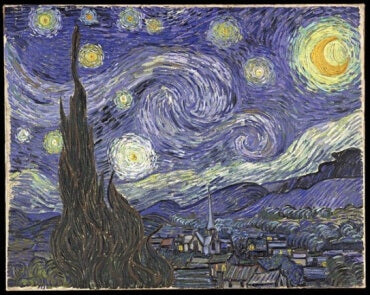
 The pictorialism movement shifted photography from commercialism to a more artistic, handcrafted approach. Photographs began to resemble paintings and drawings, evoking an unreal, rule-free world.
Recent Comments